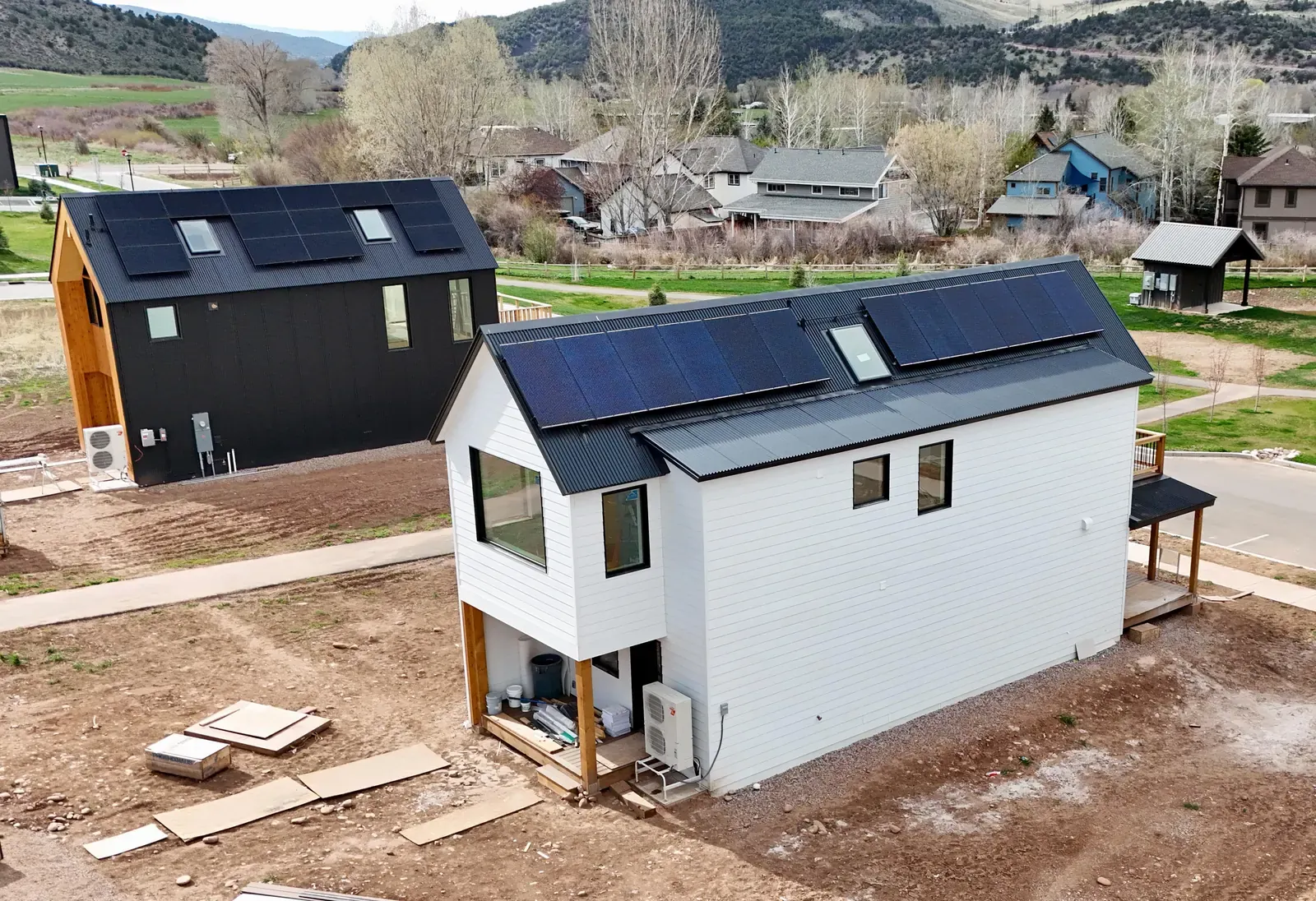
Carbondale CO solar guide: Holy Cross utility context, Town PV permits and fees, snow and wildfire backup, Enphase IQ Battery 10C. Local installer since 2003.
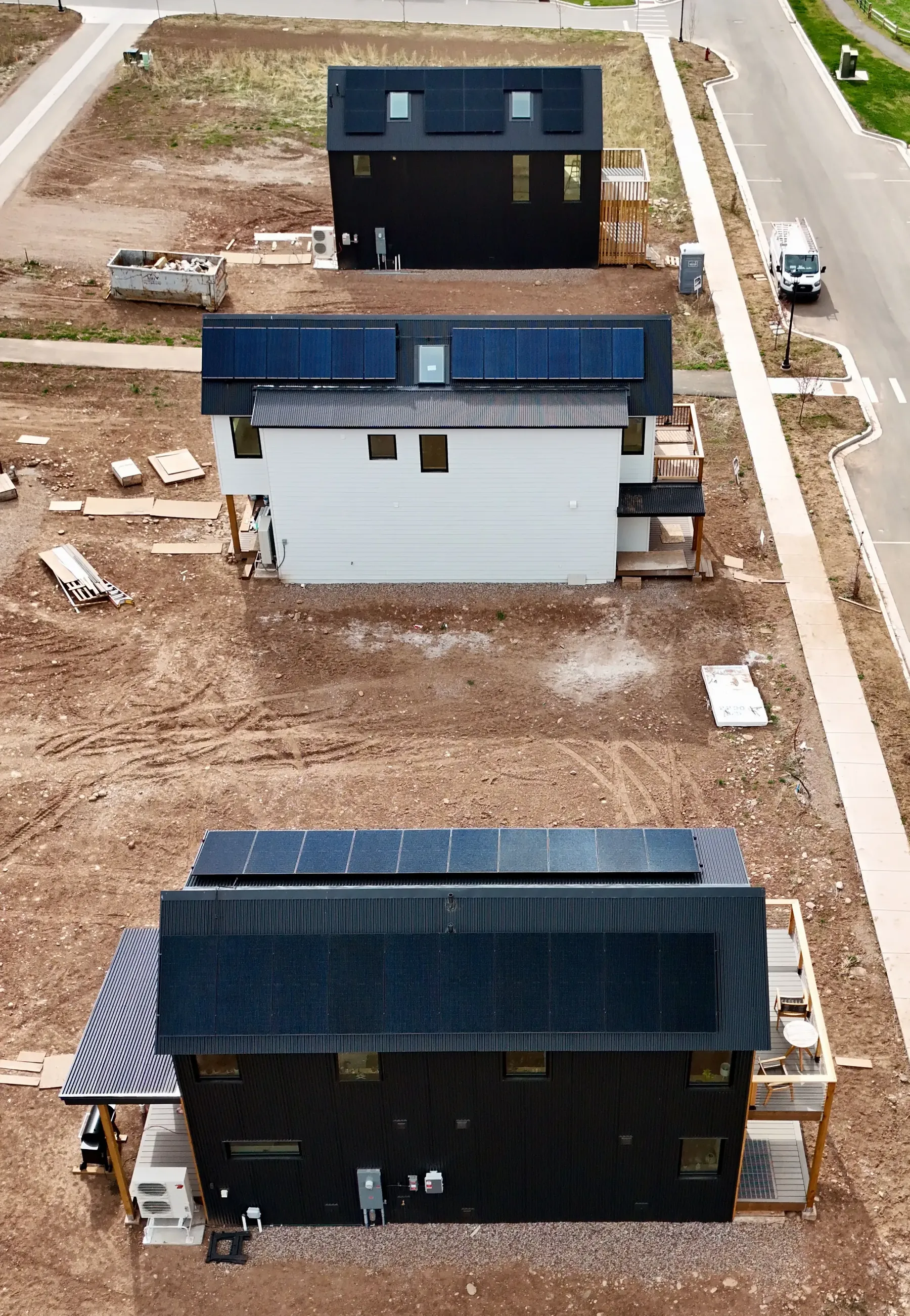
Carbondale is home to SōL Energy and has mountain conditions worth considering when designing solar, including winter snow and varied roof exposure. Your electric bill identifies your utility; confirm current permitting requirements with the Town and the State. This guide covers utility context, town requirements, snow and outages.
Holy Cross Energy is the member-owned cooperative that serves large parts of the Roaring Fork, Eagle, and lower Colorado River valleys, with more than 44,500 members across Eagle, Pitkin, Garfield, Mesa, and Gunnison counties (Holy Cross service area).
Carbondale sits in Garfield County. The Town's solar requirements reference interconnection with Xcel or Holy Cross (Town solar requirements). Check your electric bill to identify the provider and rate that apply to your address.
Holy Cross relies on wholesale power and transmission paths that can include upstream events outside town. A problem on a regional corridor can darken Carbondale even when local feeders look fine. Use Holy Cross outage tools when the lights drop (Holy Cross outage map).
Holy Cross publishes current tariffs and explains the shift toward demand charges (how hard you pull at once) alongside energy charges (total kWh). That structure matters for heat pumps, EV chargers, well pumps, and evening kitchen loads.
What it means for Carbondale solar and storage:
We walk homeowners through rate options and backup goals early. For more detail, read about Holy Cross demand charges and batteries.
Inside town limits, solar is not optional paperwork.
The Building Department states a building permit is required when you construct, enlarge, or alter a structure, and it lists separate permits for solar on residential buildings among other trade permits (Town Building page). The Board of Trustees adopted 2021 building codes effective July 1, 2025, with IFC 2021 and Colorado Wildfire Resiliency Code called out for a later 2026 effective date on the same page.
Town permit timing tables list plumbing, mechanical, and solar reviews on a short track: about 1 day intake, then roughly 1-2 weeks in the published summary (Building documents and permit applications). The town publishes a Solar Requirements packet and a fillable Solar Permit Application on that page.
From the Town's Requirements for Solar Installations PDF (source):
Construction noise hours on the Building page are Monday-Friday 7:00 a.m.-7:00 p.m., Saturday 9:00 a.m.-5:00 p.m., no construction noise on Sundays (Town Building).
Unincorporated Garfield County parcels outside town limits use County Community Development instead of the town solar packet.
SōL Energy prepares drawings, structural notes when tilt or roof conditions require them, the utility interconnect package, and inspection scheduling.
Carbondale winters load roofs hard. Panels still produce in cold clear air; snow cover and safe access set the real winter curve. We design attachments and setbacks for local snow and wind criteria and talk honestly about midwinter output.
If winter outages worry you as much as bill savings, pair solar with storage and a critical-loads design. See snow, solar panels, and battery backup around Carbondale and Basalt.
Valley fire seasons bring red-flag weather, utility fire-safety settings on lines, and occasional multi-hour outages with little warning. Holy Cross publishes fire-related notes with its outage tools (outage map). Upstream transmission stress during past valley fires also showed how a problem outside town can still cut local power.
Standard grid-tied solar shuts off in an outage. A properly configured home battery can keep selected circuits on, such as lights, a refrigerator or furnace fan. Which loads remain powered depends on the system design.
SōL Energy is based at Third Street Center in Carbondale and has designed and installed solar across the Roaring Fork Valley since 2003. Ken Olson has worked in solar since the 1970s. We partner with Enphase and are an Enphase Silver-level installer. For whole-home storage we specify the Enphase IQ Battery 10C only.
Local proof points include residential and commercial work across Carbondale neighborhoods and nearby river-corridor towns. Every job still gets shade analysis, structural review, Holy Cross interconnection, and monitoring after commissioning. Holy Cross preferred-installer listing is part of how we work with the co-op when that status applies to the project path.
Check your electric bill to confirm the utility at your address. The Town's solar packet references interconnection with Holy Cross or Xcel (Town solar requirements).
The town's solar requirements PDF lists a flat $200 fee for residential solar permits and $500 for commercial, plus use tax rules and separate state electrical fees (source).
Per the town PDF, flush-mounted OEM racking does not require an engineer stamp; tilt-mounted systems require a Colorado licensed engineer to design and stamp drawings, with snow and wind loading addressed (source).
No. Grid-tied solar without storage shuts down on outage for line-worker safety. Backup needs a battery or generator and correct transfer design.
Look for a valley crew that already holds town solar licensing, pulls Carbondale permits, completes Holy Cross interconnection, and services what it installs. SōL Energy has been based in Carbondale since 2003.
If you own or are building in Carbondale and want a clear solar and battery plan under Holy Cross and Town rules, contact SōL Energy for a free site analysis. Bring a recent bill and roof photos if you have them. Call (970) 963-1060.