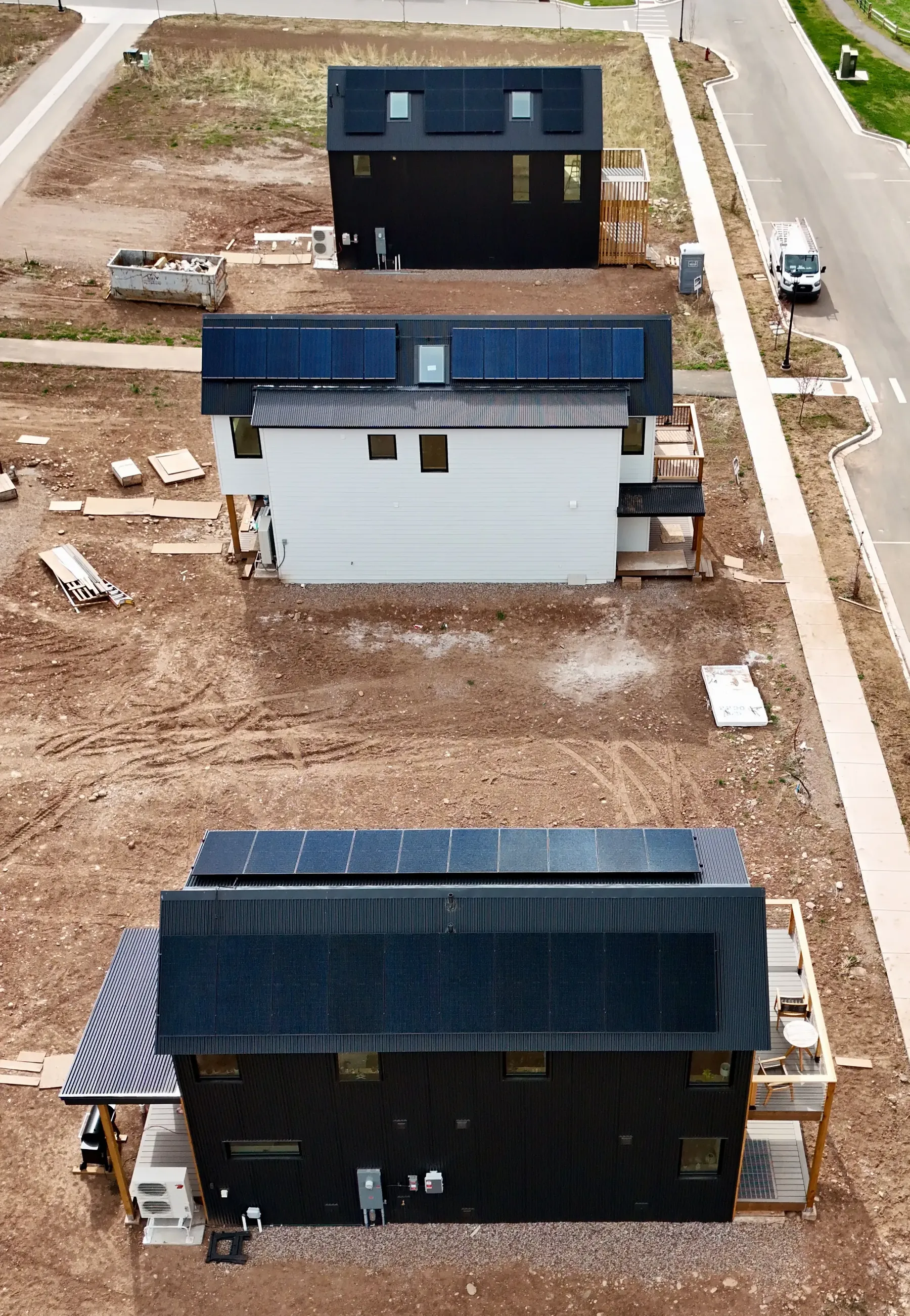
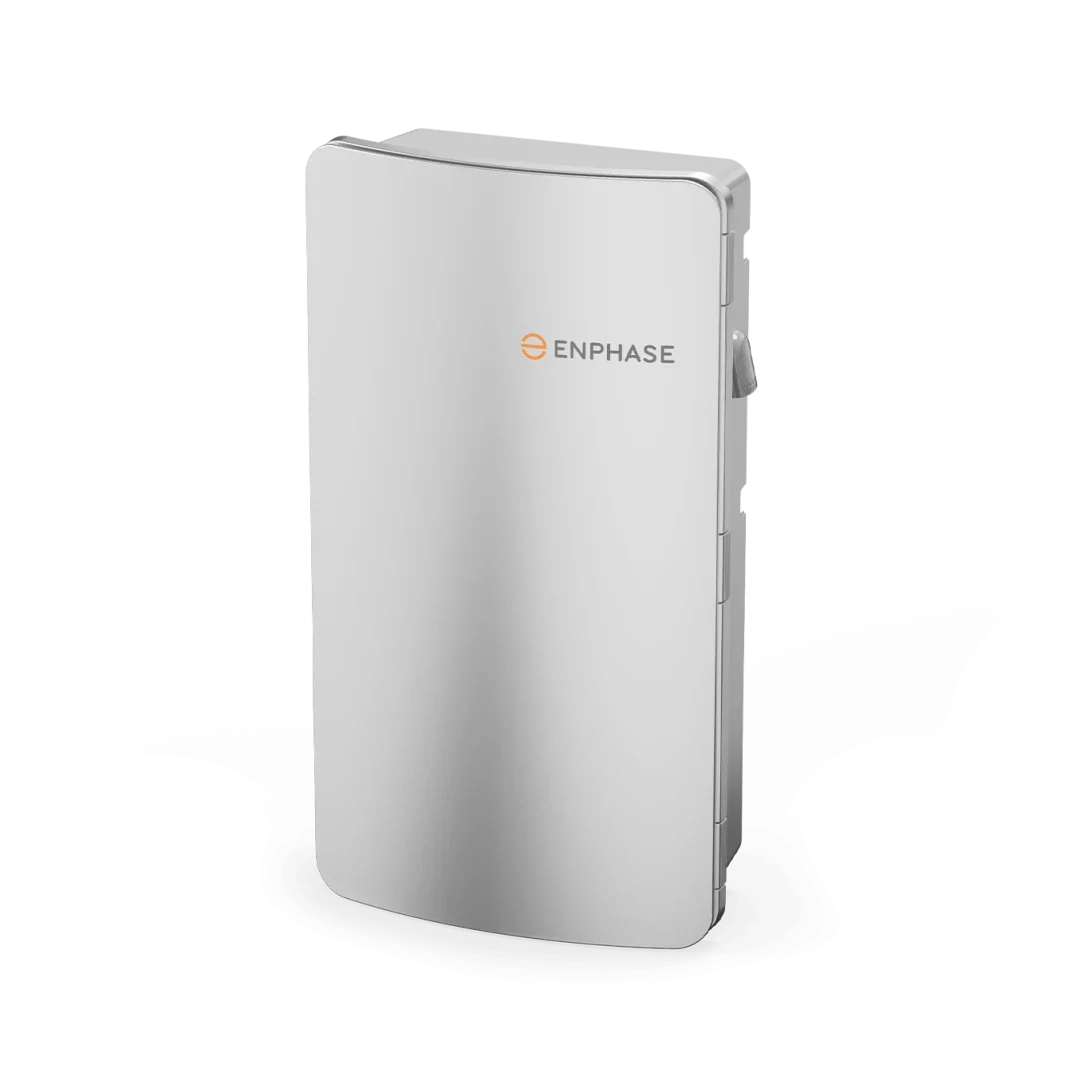
Snowmass Village solar: Holy Cross Energy, town PV and BESS permits, snow and wildfire backup with Enphase IQ Battery 10C. Valley crew since 2003.
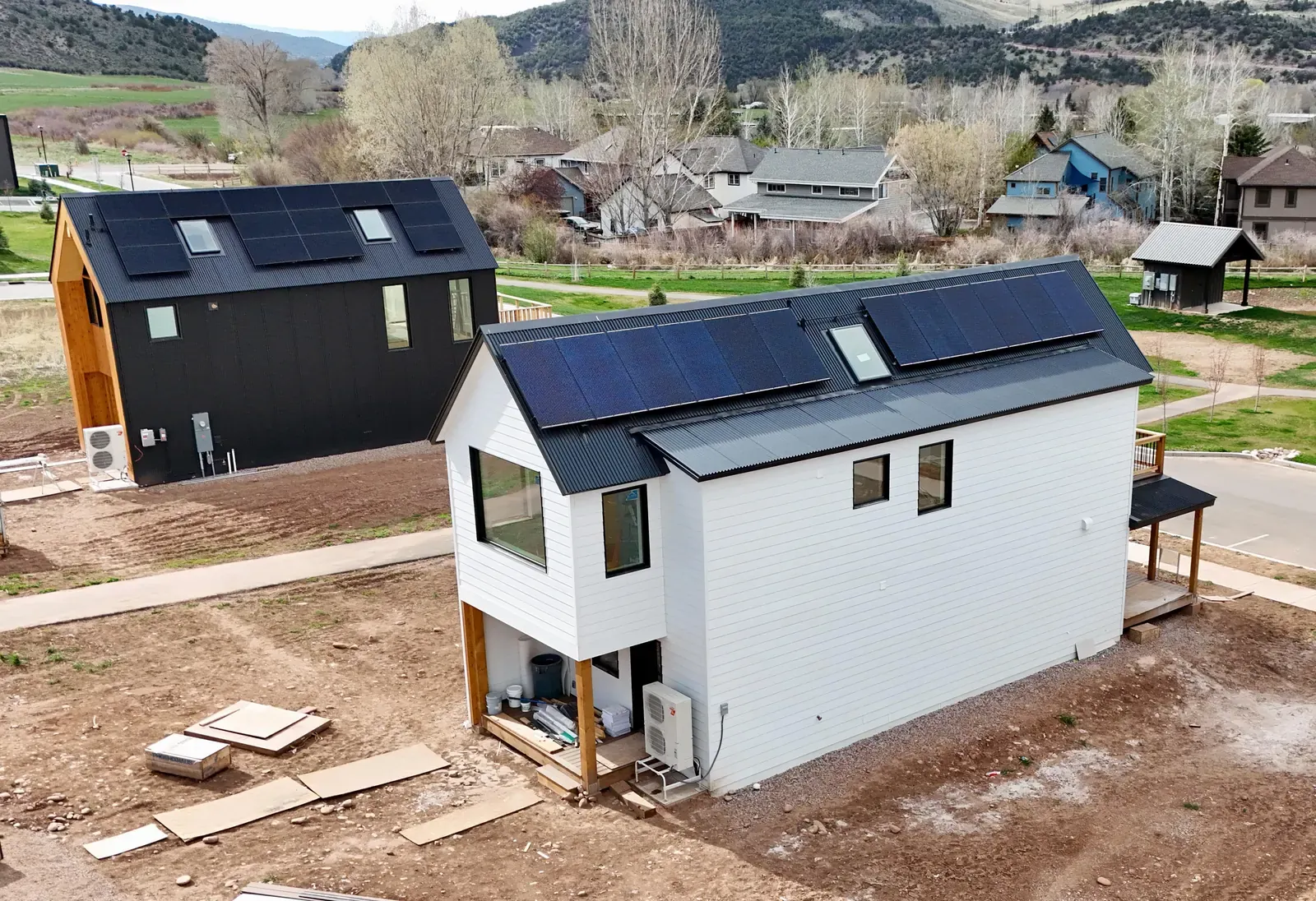
Snowmass Village sits high in Pitkin County with ski-town roofs, heavy winter weather, and electric service from Holy Cross Energy. Going solar here is less about generic Colorado solar tips and more about co-op rates, Town of Snowmass Village permits, and backup when storms or wildfire stress the upper-valley grid. This guide is written for homeowners and property managers who want a straight path from first call to permission to operate.
The Town of Snowmass Village Utilities page lists electricity under Holy Cross Electric and points residents to understanding bills from Holy Cross Energy, including local surcharge language on some bills (Town of Snowmass Village Utilities). You interconnect solar and storage with the co-op, not with a Front Range investor-owned utility retail account.
Holy Cross serves members across the Roaring Fork, Eagle, and related valleys. Wholesale supply and transmission still interact with larger regional lines, including paths associated with Xcel Energy. Holy Cross notes that wholesale power arrives over large transmission infrastructure and that upstream outages can affect the co-op (Holy Cross outage map).
For Pitkin County energy context more broadly, see our article on how solar panels and home batteries are changing energy in Pitkin.
Effective April 1, 2026, Holy Cross implemented tariff changes that introduce or raise monthly demand charges for members. The co-op cites higher costs to build and maintain poles, wires, transformers, and substations, plus higher charges for transmission services and power purchased from Xcel Energy beginning in 2026 (Holy Cross rates).
Published summary points include:
Holy Cross also offers an optional time-of-use rate for residential and small commercial members who can shift usage outside evening hours (optional TOU). Separately, Power+ home battery programs let members participate with storage under co-op rules (Power+). Program eligibility, dispatch limits, and rate compatibility change over time; we verify the current Holy Cross documents before we lock a Snowmass design.
If you are weighing Power+FLEX-style participation against a pure TOU-plus-self-consumption design, start with our breakdown of Holy Cross Power+FLEX or time of use for a home battery.
Solar in Snowmass Village runs through Town Community Development, not only a county counter. The town's Applications / Permits hub lists building and related forms and specifically references a Checklist for BESS and PV Solar Permit Applications alongside other fire and mechanical items (Applications / Permits).
Plan for a stacked process:
HOA or design-review boards are common on resort parcels. Architectural approval can take longer than the electrical permit. We flag that early so the project calendar is honest.
Unincorporated Pitkin County parcels near the village follow county processes instead of town forms. Confirm the address jurisdiction before anyone orders equipment.
Snowmass roofs see serious winter accumulation. Cold, clear days can be excellent for panel efficiency; covered panels produce little until snow sheds or is cleared safely. We design for local snow loads, roof attachments appropriate to the assembly, and access that does not put owners on icy metal.
Production estimates should use local weather files and real shading from ridgelines, tall spruce, and neighboring structures. Marketing tables from other climates do not travel well to 8,000-foot roofs.
The Lake Christine Fire near Basalt in 2018 damaged multiple transmission lines feeding the upper Roaring Fork Valley and came close to a prolonged outage during peak tourism. Aspen Times reporting, drawing on Rocky Mountain Institute work with Holy Cross, described three of four lines disabled and the fourth nearly lost (Aspen Times). The same reporting noted Holy Cross exploring resilience projects, including work pursued in tandem with Snowmass Village around essential facilities.
That history is why many Snowmass owners ask about batteries before they ask about bill offset alone. Grid-tied solar without storage turns off in an outage. A correctly designed Enphase IQ Battery 10C system can carry a critical-loads panel for a duration set by battery size and load. For load planning detail, see what appliances you can run on a solar battery system.
Holy Cross may also apply fire safety settings on lines during high fire danger (outage map). Treat utility wildfire posture and home backup as related but separate layers.
SōL Energy has installed solar in the Roaring Fork Valley since 2003. Ken Olson has been in solar since the 1970s. We partner with Enphase and hold Enphase Silver-level installer status. Home batteries we specify are the Enphase IQ Battery 10C.
What local should mean on a Snowmass bid:
SōL Energy is a Holy Cross Energy preferred installer.
Holy Cross Energy (listed by the town as Holy Cross Electric on the Utilities page) (tosv.com Utilities).
The town publishes a checklist for BESS and PV solar permit applications. Storage is not an informal add-on; plan town review plus electrical and utility steps (Applications / Permits).
No. Standard grid-tied inverters cease export and house supply on loss of grid for safety. Backup requires storage or a generator with proper transfer equipment.
Often yes, with the right racking, attachment schedule, and expectations about mid-winter soiling by snow. We assess each roof rather than promise one production curve for the whole village.
Send a recent Holy Cross bill, address, and any HOA guidelines to SōL Energy. We return a site-specific layout, storage options, and a permit path for Snowmass Village or Pitkin County as applicable.
Ready for a Snowmass Village solar and battery plan that matches Holy Cross rules and town permits? Contact SōL Energy for a free consult. We have worked this valley since 2003 and will tell you plainly if a roof is a poor candidate.