Holy Cross bills a demand charge on your highest 15-minute peak. Here's what it costs and where a home battery fits this winter.
Short answer: Since April 1, 2026, Holy Cross Energy bills most homes a demand charge on top of the energy they use. It is set by your single highest 15-minute stretch of power use in the month. A home battery can cover part of that spike, so the meter sees a lower peak. On the Small Residential rate, demand is $1.00 per kW of peak, so treat the battery's effect on it as a bonus on top of backup power, not the main reason to buy a battery.
This is the first winter most Holy Cross residential members in Carbondale, Basalt and Aspen will see the demand charge during heating season. This post covers residential rates only. Holy Cross' own advice is to stagger big appliances. Here is what the charge is and where a battery fits.
Holy Cross describes demand as "a measure of how much power you're using at any single moment." (holycross.com/demand) On its rates page, it says demand is "measured by the electric meter as the highest average demand in any 15-minute period during the month," and that one number sets the charge. (holycross.com/current-rates)
Energy and demand are different things. Energy (kWh) is how much you used over the month. Demand (kW) is how hard you pulled at your busiest moment. Running the dryer, the oven and an EV charger in the same quarter hour adds up to a big demand number even if your monthly kWh is modest.
A demand charge is also not a time-of-day rate. It does not matter whether your peak happens at 7 a.m. or 9 p.m. Only the size of the spike counts.
These are the rates Holy Cross lists on its current-rates page, read November 17, 2026:
Holy Cross says 99% of its residential members are in the Small Residential class. (holycross.com/current-rates)
Simple math on those published numbers: a Small Residential home that peaks at 10 kW pays about $10 in demand charge that month. These are illustrations, not a quote for your home. Your real peak is on your bill and in SmartHub.
In winter, more heating and indoor loads can overlap. Short days mean lights on early. Cold mornings in a Carbondale or Snowmass house can mean electric heat, a heat pump working hard, a heated driveway or roof heat cable, and a dryer or oven all running in the same window. An EV plugged in after a ski day in Aspen adds a big steady load on top.
Holy Cross' own advice is to spread those loads out. It costs nothing. Run the dryer after dinner instead of during it. Set the EV charger to start late at night. Stagger the dishwasher and the oven.
A battery helps with the spikes you cannot easily move. When the house suddenly pulls hard, the battery supplies part of that power from storage, and the meter sees less coming from the grid during that 15-minute window.
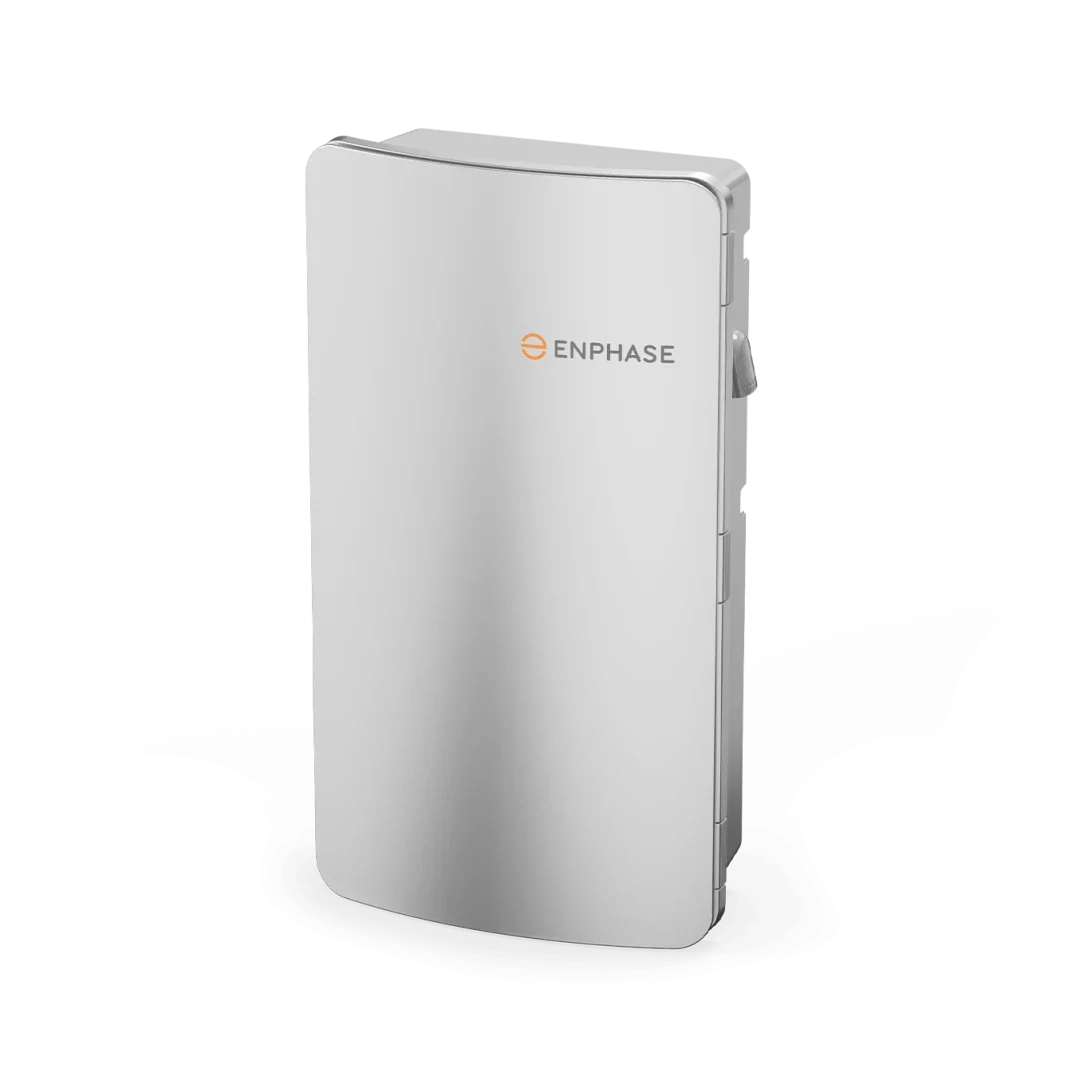
SōL Energy installs the Enphase IQ Battery 10C. Per Enphase, each unit stores 10 kWh of usable energy and delivers 7.08 kW of continuous power, using lithium iron phosphate (LFP) chemistry with a 15-year limited warranty. (enphase.com) We size the number of units to your home.
Two limits:
Large Residential homes see a bigger number. At $5.51/kW, every kW of peak you shave is worth more. Not sure which class you are in? Holy Cross can tell you.
Start with your bill. Look at the demand line from last winter's bills or in SmartHub and see what your peak really is. If it is small, stagger your loads and think about a battery for backup power first. If you are on the Large Residential rate, or your peaks are big and hard to move, a battery sized to your spikes may earn more of its keep.
SōL Energy has been designing systems in the Roaring Fork Valley since 2003 and is an Enphase Silver-level installer. We look at your actual usage and send a proposal with the design and full price for your address.
Get a battery quote or call (970) 963-1060.
The new rates took effect April 1, 2026, per holycross.com/rates.
The meter records your highest average demand in any 15-minute period during the month. That single peak sets the charge.
On holycross.com as of November 17, 2026: $1.00/kW for Small Residential and $5.51/kW for Large Residential. Check the current-rates page for changes.
No. A demand charge is based on your biggest moment of power use, whenever it happens. Time-of-use is a schedule that prices energy by the hour.
It can, if it is set up to cover your spikes. On the small residential rate the savings are usually a few dollars a month, so most people buy a battery for backup and treat demand savings as extra.
Don't run your biggest appliances at the same time. Holy Cross lists typical wattages for common devices at holycross.com/demand.