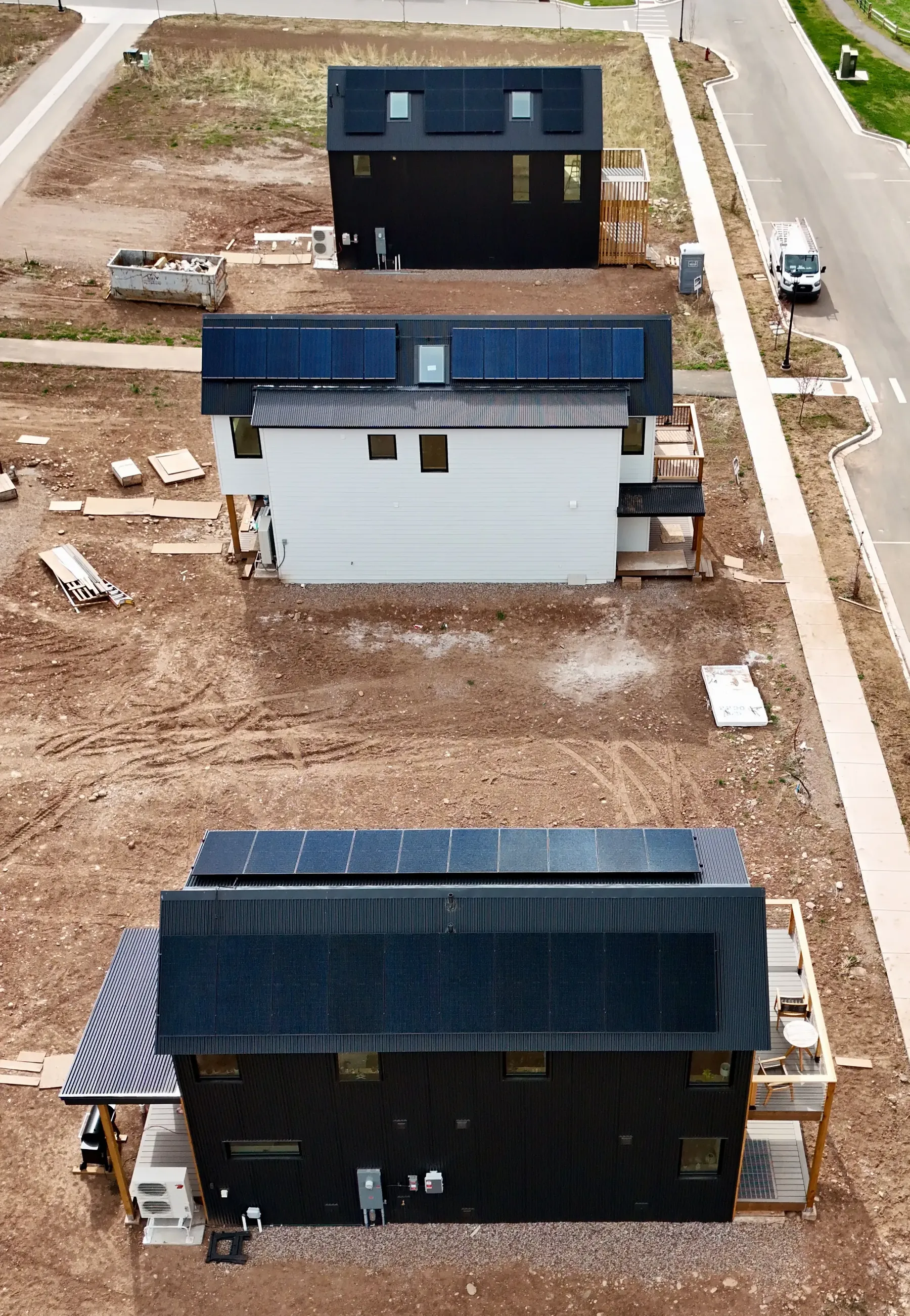
Glenwood Springs CO solar guide: city electric vs Xcel, City building permits, snow and outage backup with Enphase IQ Battery 10C. Local crew since 2003.
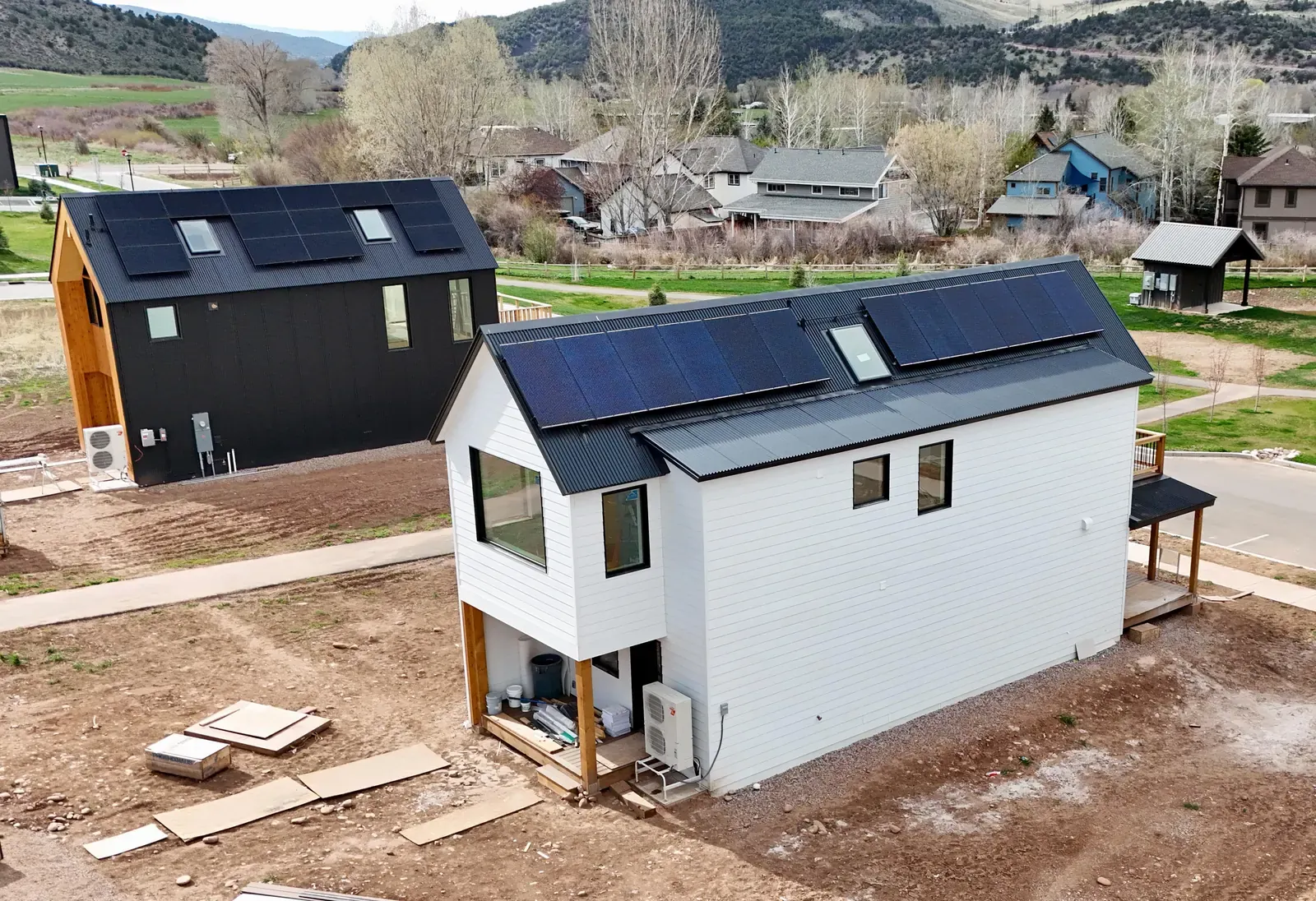
Glenwood Springs sits where the Roaring Fork meets the Colorado River. Solar here is not one utility story. Inside city limits, many meters run on the City of Glenwood Springs Electric Department. West along I-70 toward New Castle, Silt, and Rifle, Xcel Energy is common. Holy Cross Energy serves other nearby valley pockets. Your bill decides interconnection, rates, and which backup programs even apply. This guide covers utility checks, City permitting, snow and outage reality, and what a local installer should handle.
Start with the bill header and the online account.
City of Glenwood Springs Electric Department. The Colorado Public Utilities Commission lists the City of Glenwood Springs as a municipally owned utility (MOU). The City's Electric Department is the contact for many in-city customers (PUC electric utility providers, City Electric).
Xcel Energy. Xcel serves large parts of the Colorado River corridor west of town. Outage maps, time-of-use (TOU) rates, and Xcel battery programs only apply if Xcel is the retail provider on your meter (Xcel outage map).
Holy Cross Energy. The co-op serves more than 44,500 members across Eagle, Pitkin, Garfield, Mesa, and Gunnison counties. Some addresses near Glenwood still fall in Holy Cross territory; the co-op publishes a service-area map (Holy Cross service area).
Do not design a system for the wrong tariff. Interconnection paperwork, netting rules, and storage programs follow the utility that actually serves the meter.
If you are on City electric: rates and solar buyback follow City utility rules. Ask the Electric Department for current residential rate sheets and distributed-generation interconnection steps before you lock equipment.
If you are on Xcel: time-of-use rates vary by time of day. Check Xcel's current rate information for the schedule that applies to you. A battery can help cover some peak-period loads and support backup circuits.
If you are on Holy Cross: the co-op's 2026 rate package puts more weight on demand (kW) alongside energy (kWh). Optional TOU and battery program paths exist; they are not automatic stack-everything options. Confirm current tariffs on Holy Cross's site before you sign.
We model your actual bill class early so the electrical design matches the bill you want.
Inside city limits, solar is a Community Development and Building Department job, not a handshake with a crew on the roof.
For properties inside city limits, check the City's solar permit guidance for current application documents, structural requirements, fees and inspections. Requirements depend on the property and project.
Expect, at minimum:
Unincorporated parcels outside city limits pull permits through Garfield County Community Development instead of the City portal (Garfield County Community Development).
SōL Energy prepares the drawing set, structural notes when required, one-line diagram, and utility packet so you are not chasing agencies yourself.
Glenwood winters put snow on steep metal roofs and lower-slope asphalt alike. Cold, clear air helps panel efficiency; snow cover and safe roof access are the hard parts. We design racking and setbacks with local snow and wind criteria, and we set honest expectations for January production versus July.
For a winter-focused Glenwood read, see how solar panels perform with snow in Glenwood Springs.
Standard grid-tied solar shuts down when the grid drops so line workers are not on a live conductor. Backup needs storage (or a generator) and a correct transfer design.
West of town, Xcel customers have seen multi-hour outages tied to enhanced wildfire safety settings on distribution lines, even when Xcel says it has not called a formal Public Safety Power Shutoff in Western Colorado. We cover that corridor in detail in Xcel outages and battery backup for Glenwood, New Castle, Silt, and Rifle. City Electric customers should use City outage contacts; Holy Cross members use the co-op outage map (Holy Cross outage map).
A home battery keeps selected circuits alive: fridge, lights, internet, furnace fan, medical devices, sometimes a well pump if sized for it. It does not replace utility-scale hardening. It is your house plan when the street is dark.
SōL Energy has designed and installed solar across Garfield County and the Roaring Fork Valley since 2003. Ken Olson has worked in solar since the 1970s. We partner with Enphase and are an Enphase Silver-level installer. For whole-home storage we specify the Enphase IQ Battery 10C only, sized to your backup list and rate goals.
Local jobs still get full engineering: shade study, structural review, the correct utility interconnection, and commissioning you can understand. We serve Glenwood Springs along with New Castle, Silt, Rifle, and the upper valley.
Many addresses inside city limits are on the City of Glenwood Springs Electric Department, a municipally owned utility. Xcel is common west along the river corridor. Holy Cross serves other nearby areas. Confirm on your bill (PUC list, City Electric).
Yes if the building is inside city limits. Use the City solar permit path and state electrical permitting (City solar panel permits).
No. Grid-tied solar without storage shuts down on outage for line-worker safety. Backup needs a battery or generator and correct transfer equipment.
It can if you are on an applicable Xcel time-of-use rate and the system is configured for peak-period use. Results depend on your loads and rate choice. Check Xcel's current schedule.
Look for Garfield County crews who already pull City or County permits, complete the right utility interconnection, and stay for service after commissioning. SōL Energy is based in Carbondale and has served the area since 2003.
If you own or are building in Glenwood Springs and want a clear solar and battery plan under your actual utility rules, contact SōL Energy for a free site analysis. Bring a recent bill and roof photos if you have them. Call (970) 963-1060.