Fire safety outages and public safety power shutoffs hit the valley differently. What each means and how to set up a home battery for fire season.
Short answer: A public safety power shutoff (PSPS) is a planned outage ahead of extreme fire weather, and it comes with warning. Xcel says its summer 2026 outages in the valley were not one: they came from fire safety line settings, which trip with no notice. A PSPS is rarer, but it can last from hours to days. A home battery paired with solar can carry your essentials through both, if it's charged and set up before fire season.
In summer 2026 a lot of people in the valley lost power with little warning, sometimes for hours. Restaurants in Garfield County lost business, the Aspen Daily News reported, and some suspected Xcel was cutting power on purpose. At a Garfield County commissioners meeting in October 2026, Xcel Energy said that wasn't what happened. The difference matters if you live or run a business anywhere from Glenwood Springs to Aspen.
There are two kinds of wildfire-season outage, and they behave differently. A home battery helps with both, but how you set it up depends on which one you're planning for.
When wildfire risk is high, utilities switch their lines to more sensitive settings. Holy Cross calls them Fire Safety Settings, and Xcel calls them Enhanced Powerline Safety Settings, or EPSS. Holy Cross's fire safety page explains what changes: power shuts off more quickly when a fault occurs, like a branch touching a line, and the system makes limited or no automatic attempts to restore it, so nothing sparks.
The result is more frequent outages, and longer ones, because crews have to check the line before it comes back on. Xcel's area manager told Garfield County commissioners that these settings, not intentional shutoffs, were behind the 2026 outages, and that Xcel has not called a PSPS in Western Colorado. "To be very clear, we have not had a PSPS," he said, as reported by the Aspen Times on Oct. 20, 2026. The Aspen Daily News also covered Xcel's comments on Oct. 14, 2026.
Fire safety outages come with no notice, so your battery has to be ready all season, not just when there's a warning.
A public safety power shutoff, or PSPS, is when a utility turns off power to an area on purpose, ahead of extreme fire weather. Holy Cross describes it as extremely rare and a last resort, declared only after strict criteria are met. Colorado's first PSPS happened in April 2024, according to the Colorado PUC, which proposed new statewide shutoff rules for Xcel and Black Hills Energy in September 2026.
Holy Cross has mapped the areas where it could call one. The zones on its PSPS page include the Crystal Valley from Carbondale to Marble, Basalt and the Frying Pan, Aspen and Snowmass, the Glenwood, Missouri Heights and El Jebel area, and Rifle East and New Castle.
The upside of a PSPS is warning. Holy Cross says it alerts emergency managers and critical facilities about 72 hours out, posts a public watch about 48 hours out, and sends members in the area a warning about 24 hours out.
How long a shutoff lasts is less settled. Xcel's Brad McCloud told the Post Independent in May 2026 that a shutoff could last several hours to a day or two. The Aspen Daily News reported on Oct. 14, 2026 that one could last eight hours to three days. We plan for the long end.
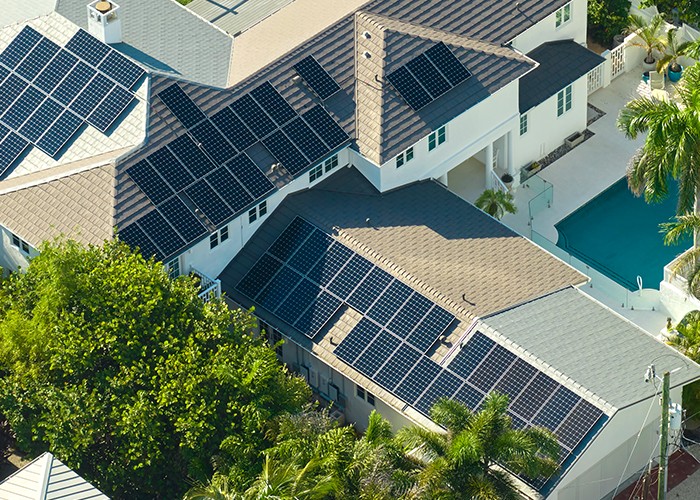
Standard grid-tied solar shuts down when the utility goes down. That's by design, to protect the line workers fixing the problem. So a roof full of panels on a sunny August afternoon in Carbondale does nothing for you during an outage unless it's paired with a battery set up for backup.
With a battery, the solar keeps working. The panels recharge the battery during the day, and the battery runs the house. No fuel, and no generator to start. Our post on grid-tied versus backup systems has the long version.
We size storage to a critical-load list we build with you: lights, heat, refrigeration, well pumps, wifi. Our post on what you can run on a solar battery goes through the usual list.
A few things we set up differently for fire season:
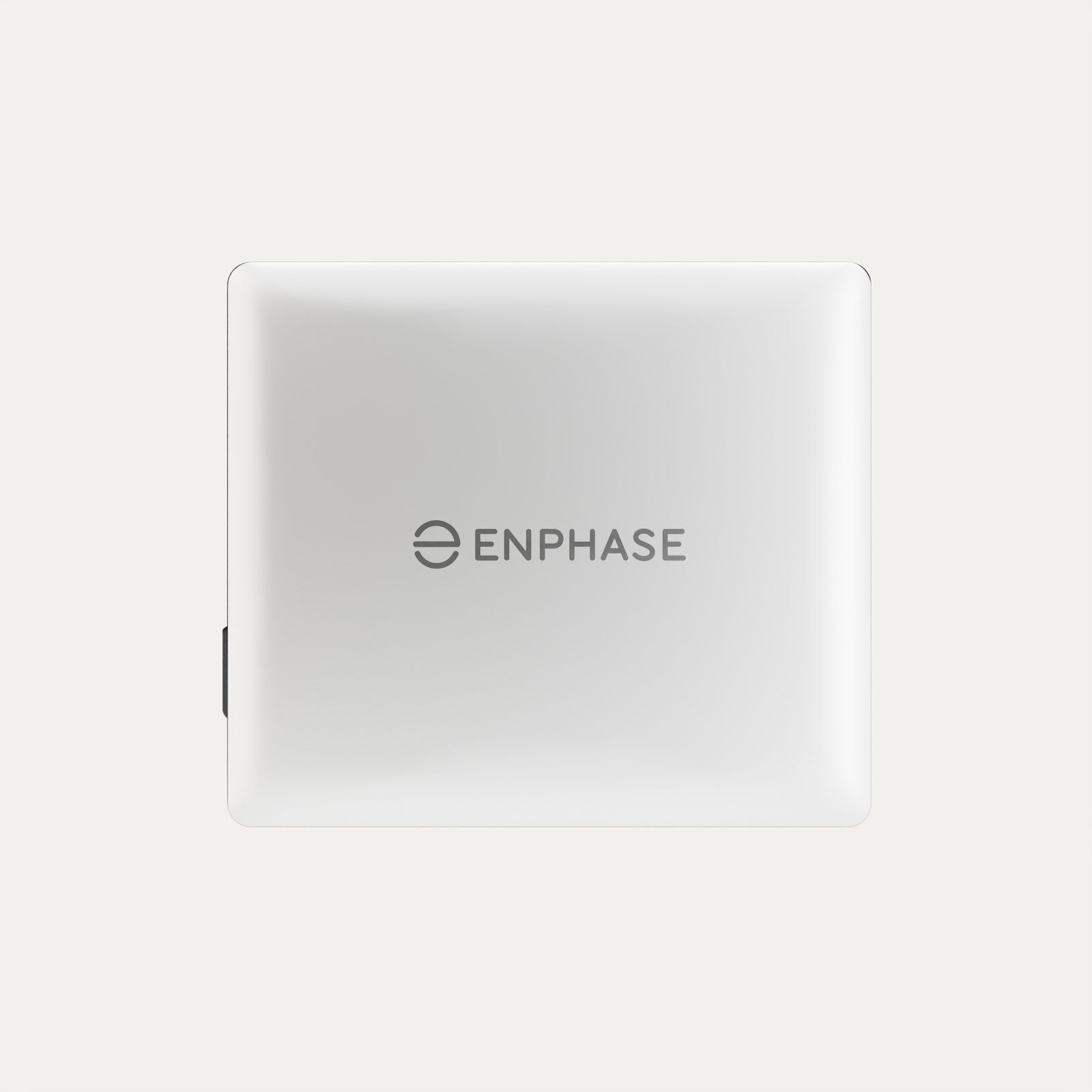
Most of our battery systems use the Enphase IQ Battery 10C. Each unit holds 10 kWh of usable energy, and we install them in 10, 20, 30 or 40 kWh systems. Enphase rates each unit for 7.08 kVA of continuous output, and its data sheet lists an ambient operating range of -4°F to 122°F while charging and -4°F to 131°F while discharging. If you already have solar, many systems can add storage after a site and electrical review. Your proposal sizes the battery to the loads you want to keep on.
What does it cost? On our recent proposals, the battery line for a single 10 kWh battery has run roughly $14,000 to $19,000, and one recent 40 kWh system came in around $37,000. Both are before any utility rebate, and electrical work may be priced separately. Your proposal shows the full price for your house.
A fire safety outage doesn't wait for you to be home. If the house is empty for weeks, a battery sized for it can carry your critical loads. Our systems come with monitoring you can check through a website or a mobile app, so you can see what the system is doing from wherever you are. Make sure the utility has your current phone number and email, too, so a PSPS watch reaches you even when you're away.
Xcel offers a PSPS backup battery rebate of up to $10,000 for Colorado residential customers enrolled in Xcel's Medical Certification Program or the Colorado Medical Exemption Program who live in Tier 2 or Tier 3 wildfire risk areas. Eligibility rules and the remaining budget are on that page. Holy Cross members should ask the co-op directly what's available.
A fire safety outage happens when a sensitive line setting trips on a fault and stays off until crews check it. It comes with no notice. A PSPS is a planned shutoff ahead of extreme fire weather. Holy Cross says it posts a public watch about 48 hours out and warns members in the area about 24 hours out.
Not by themselves. Grid-tied solar is designed to shut down when the grid is down. A battery set up for backup lets the solar keep running and powering your essentials.
Holy Cross divides its territory into nine zones. In our part of the valley they include the Crystal Valley from Carbondale to Marble, Basalt and the Frying Pan, Aspen and Snowmass, the Glenwood, Missouri Heights and El Jebel area, and Rifle East and New Castle. A PSPS may hit one zone, several, or all of them.
Local reporting gives different ranges: several hours to a day or two (Xcel's Brad McCloud, Post Independent, May 2026) and eight hours to three days (Aspen Daily News, Oct. 14, 2026). Plan for the longer one.
Before the season, confirm your critical-load list and check that your monitoring app shows the battery charging. Give Holy Cross or Xcel your current phone number and email so PSPS alerts reach you. When a PSPS watch or warning is posted, top the battery off and run laundry, dishes and EV charging before the shutoff window. If you're in Power+FLEX, Holy Cross won't draw your battery below 20%, so size for that.
On our recent proposals, the battery line for one 10 kWh battery has run roughly $14,000 to $19,000, and one recent 40 kWh system came in around $37,000, both before any utility rebate. Electrical work may be priced separately, and your own proposal gives the exact number.
Fire season ends, but the next one is a spring away, and battery projects need design, permitting and utility paperwork. Ask our Carbondale team for a Free Battery Proposal, see how batteries work with each local utility on our batteries and backup page, or call us at (970) 963-1060.