Holy Cross members with a home battery pick Power+FLEX or the Time of Use rate, not both. How each path works and how we help Carbondale-area homes choose.
Short answer: Holy Cross Power+FLEX and the Holy Cross Time of Use rate don't mix. A Holy Cross Energy member with a home battery enrolls the battery in Power+FLEX or moves to the optional Time of Use rate, not both. Power+FLEX pays you a bill credit to let Holy Cross use part of your battery up to 10 times a month. Time of Use leaves the battery to you and rewards running the house on stored power from 4 to 9 p.m.
After we walk a Holy Cross member through a battery design at our Carbondale office, the next question is almost always the same: which Holy Cross program should I sign up for? It's a fair question, because Holy Cross makes you choose.
That rule is written right into Holy Cross's own pages. The Power+FLEX page lists "You cannot be on our optional Time of Use rate" as an eligibility rule.
At its February 18 meeting, the Holy Cross board approved rate changes that took effect April 1, 2026, and the monthly demand charge now applies to all members, including Small Residential members who were not charged one before. Holy Cross explains the change and lists the current rates on its 2026 rate adjustments page.
Demand is different from energy. Energy is the total you use over the month, like an odometer. Demand is how hard you're pulling at one moment, like a speedometer. Run the oven and the dryer at 6 p.m. on a January evening in Basalt and your demand spikes, even if your monthly total doesn't change much. Holy Cross's demand explainer lists electric dryers and ovens among the biggest loads.
That matters for batteries because the two programs treat your bill differently. Holy Cross says members who enroll in Time of Use do not incur a demand charge. Members on the standard rate, not Time of Use, do. Holy Cross's rates page doesn't say Power+FLEX members are exempt, so ask before you choose. The battery does a different job on each path.
Power+FLEX is Holy Cross's battery-sharing program. You own the battery outright, and Holy Cross pays you for occasional access to it. According to the Power+FLEX page, here's how it works:
Power+FLEX also comes with an upfront rebate. Holy Cross publishes the current amount and the program limits on its Solar + Battery Energy Storage page, and those numbers change, so we check them with Holy Cross before anyone signs.
Two details people miss. The battery has to be installed before you apply, and it has to be 5 years old or less. Power+FLEX also keeps a 20% minimum state of charge, and you choose your enrolled share when you apply; it can't be changed later.
Power+FLEX tends to suit people who want the battery mostly for backup and are fine with the co-op borrowing it up to 10 times a month. For a rural house outside Basalt, where backup is often the main reason for the battery, that trade can make a lot of sense: the battery is there for the outage, and the bill credit helps in between.
On Holy Cross's optional Time of Use rate, the on-peak window is 4 to 9 p.m., seven days a week. Every other hour is off-peak, and off-peak power costs less. The rate is open to residential and small commercial members. After a 90-day trial, there's a one-year minimum.
With a battery on Time of Use, you run the battery yourself. Your solar fills it during the day, and the battery carries the house through the 4-to-9 window so you're buying as little on-peak power as possible. Holy Cross also offers a battery incentive on this path, separate from the Power+FLEX one, with the current terms on the same Solar + Battery Energy Storage page.
Time of Use rewards households that can move their big loads. In Carbondale in December it's dark before five, so the heat and the lights come on inside the peak window. Dinner gets cooked there too, and the EV wants to charge the minute you're home. If your battery is sized to cover that stretch, and you're willing to set the EV and the water heater to run late at night, Time of Use can fit well. If your evenings are heavy and hard to shift, it can work against you.
We don't push one program. We sit down with your past Holy Cross bills and go through a short list of questions:
From there we compare both paths against how your house actually uses power, and we'll tell you plainly if it's close.
Check who sends your bill. Parts of Aspen are served by the City of Aspen's own electric utility. Inside Glenwood Springs city limits, power comes from the city's flat rate, with no Time of Use pricing today. Our batteries and backup page breaks down what applies to each utility in the valley.
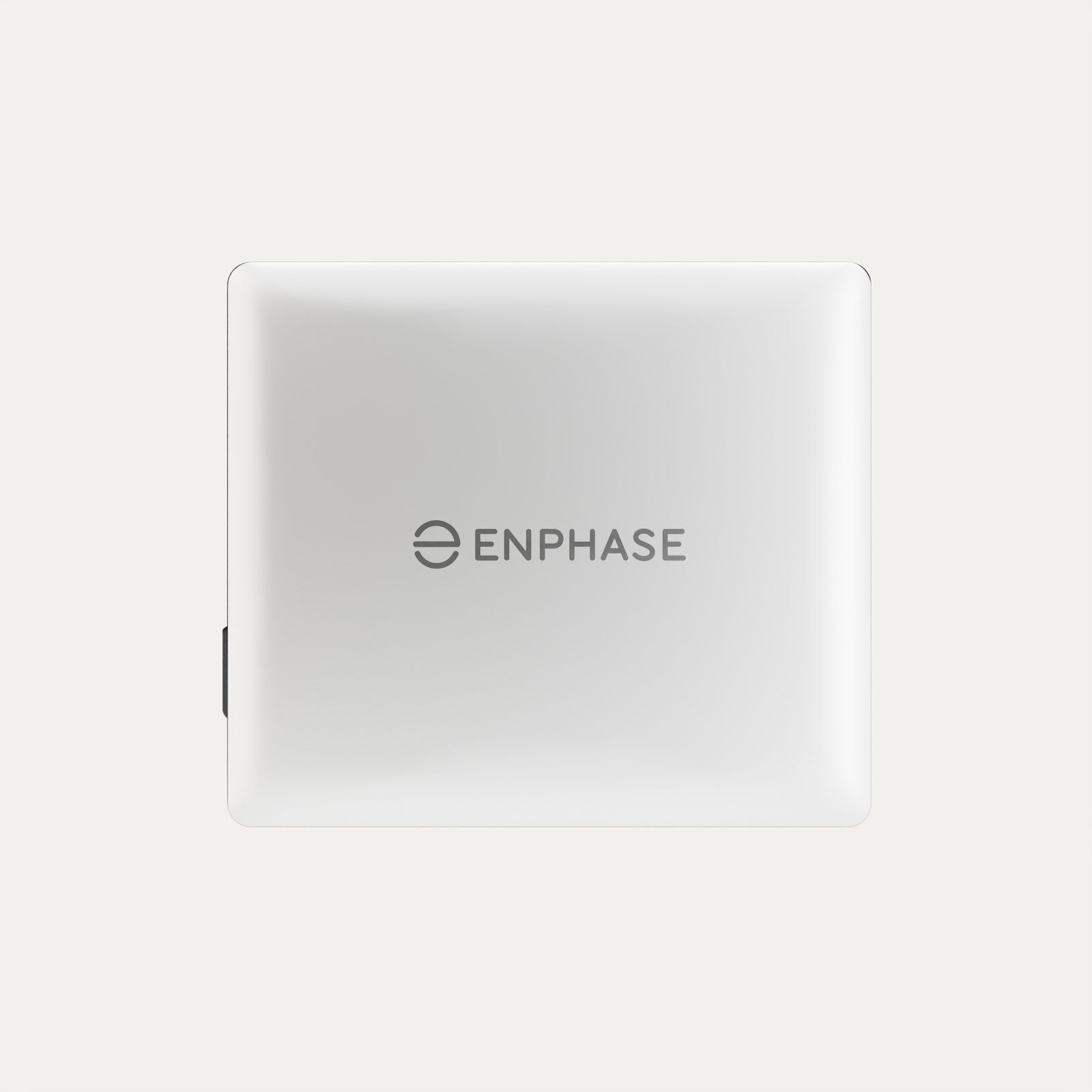
Most of our battery systems use the Enphase IQ Battery 10C. Each unit holds 10 kWh of usable energy, and we install them in 10, 20, 30 or 40 kWh systems. Enphase rates each unit for 7.08 kVA of continuous output. It uses lithium iron phosphate (LFP) cells and carries Enphase's limited warranty to 60% of capacity for up to 15 years or 6,000 cycles, whichever comes first.
Winter matters here. Enphase's IQ Battery 10C data sheet lists an ambient operating range of -4°F to 122°F while charging and -4°F to 131°F while discharging. We still plan where the battery goes, a garage wall or a mechanical room, around how cold that spot gets in January.
What does it cost? On our recent proposals, the battery line for a single 10 kWh battery has run roughly $14,000 to $19,000, and one recent 40 kWh system came in around $37,000. Both are before any utility rebate, and electrical work may be priced separately. Your proposal shows the full price for your house.
If you already have solar, many systems can add storage after a site and electrical review. Your proposal sizes the battery to the loads you want to keep on. If you're still working out how big a battery you need, our post on how long a solar battery lasts during a power cut is a good next read, and our earlier post on Holy Cross rate changes covers how solar fits the new bill structure.
Plenty of valley homes are empty for weeks at a time. Our systems come with monitoring you can check through a website or a mobile app, so you can see what the system is doing while you're away. On Power+FLEX, Holy Cross works the battery on its event schedule while you're gone. Either way, tell us how the house is used when it's empty, and we'll factor that into which path fits.
No. Holy Cross's Power+FLEX page says you can't be on the optional Time of Use rate while enrolled. You pick one.
The Time of Use rate has a 90-day trial and then a one-year minimum. Power+FLEX has a 5-year agreement term, per Holy Cross. We confirm the current switching rules with Holy Cross for your account before you commit to either.
Either path works with an Enphase IQ Battery 10C system of 10, 20, 30 or 40 kWh. For Time of Use, the battery should cover what your house uses from 4 to 9 p.m. For Power+FLEX, size it for the outage backup you want, keeping in mind the 20% minimum state of charge and the share you enroll.
On our recent proposals, the battery line for one 10 kWh battery has run roughly $14,000 to $19,000, and one recent 40 kWh system came in around $37,000, both before any utility rebate. Electrical work may be priced separately, and your own proposal gives the exact number.
Enphase's data sheet lists an ambient operating range of -4°F to 122°F while charging and -4°F to 131°F while discharging. We pick the install spot with winter temperatures in mind.
If you're on Holy Cross and weighing a battery, bring a couple of recent bills and we'll show you both paths side by side. Ask our Carbondale team for a Free Battery Proposal, or call us at (970) 963-1060.