Discover how commercial solar planning in Garfield and Pitkin County can support future growth with flexible, property-focused solar designs.
Quick Overview: A solar system should support your property today and remain useful as your needs change. Future expansion, new equipment, added space, and increased energy use can all affect your solar needs. This blog explains why planning ahead matters, how roof space and electrical systems play a role, and how a future-ready solar design can make upgrades easier later.
What happens when your building grows but your solar system does not? A few extra rooms, new equipment, more employees, or a larger workspace can quickly change how much electricity a property needs. If you only plan for today's usage, your solar system may not keep up with tomorrow's demands.
That is why future growth deserves a place in your solar plan from day one. Whether you are considering a commercial solar installation Garfield or planning a new property in Pitkin County, thinking ahead can help you avoid costly changes later.
Your Building May Not Stay the Same
Think about where your property could be five or ten years from now.
Maybe your business will add another work area. Perhaps you will install new equipment or increase your staff. Even a homeowner might add an EV charger, workshop, guest space, or other electrical loads.
These changes can increase electricity use.
For example, a business may use 100,000 kWh of electricity each year when its solar system is designed. A few years later, it expands and adds energy-intensive equipment. Suddenly, the building needs much more power. The solar system did not become less efficient. The building simply changed.
Planning for that possibility can make your solar investment more useful over the long term.
Start With More Than Today's Energy Bills
Your current electricity bills are an important starting point. But they should not be the only thing you look at. Ask yourself a simple question: “What could this property need in the future?” The answer could include more square footage, new machinery, EV charging, additional heating or cooling, or changes to how the space is used.
SoL Energy notes that determining solar system size should involve looking at a property's current electricity consumption and future needs. This does not mean you need to install a huge solar array today. Instead, you can create a plan that leaves sensible options open for later.
Save Some Roof Space for Tomorrow
Here is an easy detail to overlook: roof space can disappear quickly.
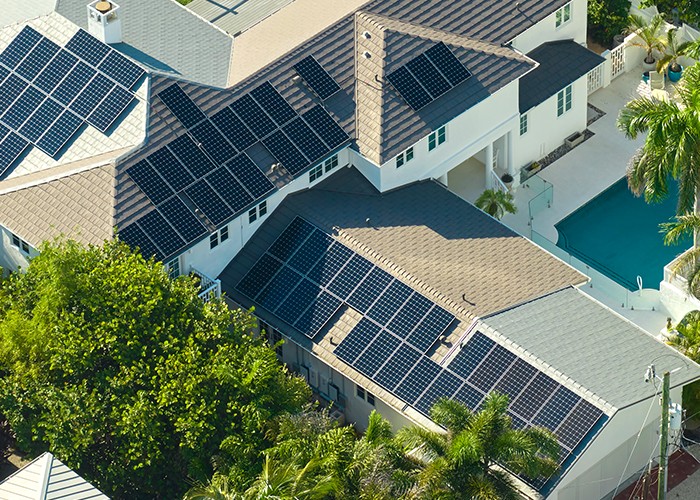
A building may have plenty of open roof area during the design stage. Later, vents, mechanical equipment, skylights, additions, or other features may take up some of that space. That can make future solar expansion harder.
So, rather than asking only where panels can go today, it helps to ask where they could go later. A little planning now can leave you with more choices in the future.
Do Not Forget the Electrical System
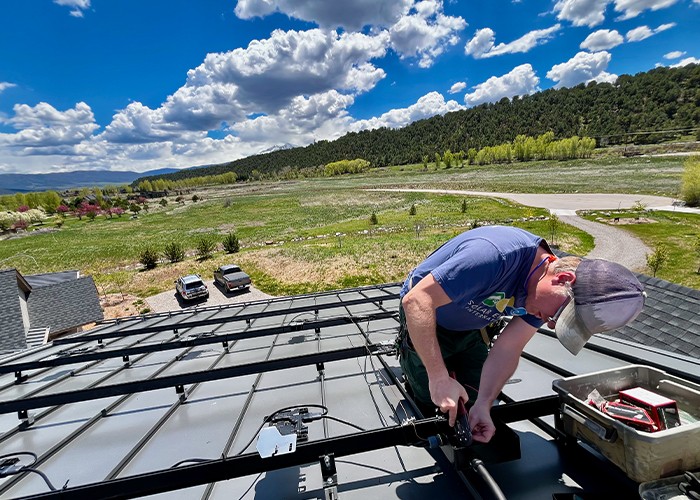
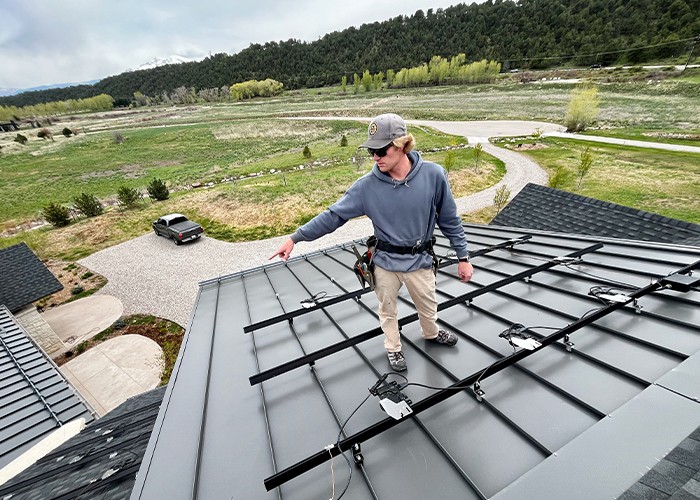
Solar expansion is not just about adding panels to the roof. The building's electrical infrastructure matters too. Future equipment can increase electrical demand. Additional solar may also require suitable equipment space, electrical capacity, and pathways for wiring.
Thinking about these details early can make future upgrades easier. In simple terms, make room for the future on the electrical side, too.
New Equipment Can Change Your Energy Needs
Expansion often brings new equipment along with extra space. A growing business might add computers, refrigeration, machinery, heating and cooling equipment, or EV charging. A homeowner could add an electric vehicle, workshop tools, or other high-use appliances.
These additions can change the property's energy profile.
If you already know about possible upgrades, mention them during solar planning. That information can help create a system that makes more sense for where the property is heading.
Colorado Conditions Should Be Part of the Plan
Future planning is especially useful in the Roaring Fork Valley. Properties can face snow, mountain shading, changing weather, and different roof designs. A future building addition can also affect an existing solar system.
For example, a new structure could block sunlight that currently reaches part of the array. New rooftop equipment could take away useful panel space. Thinking about these possibilities before construction can help reduce surprises later.
See the Future With a 3D Layout
Planning for expansion becomes much easier when you can actually see the building.
A 3D solar layout can show proposed panel locations, available roof areas, nearby structures, and potential shading. For a new building, it can also help builders and architects think about how future additions may affect the solar design.
SoL Energy offers free 3D solar layouts based on architectural drawings for builders and architects. This gives project teams a visual way to consider solar before construction moves too far ahead.
Instead of asking, “Will we have enough space later?” you can start answering that question before the building is finished.
Planning Ahead Does Not Mean Oversizing
There is an important difference between planning for growth and installing more solar than you need.
You do not necessarily need the biggest system possible today. Instead, you can design today's system around current needs while considering future roof space, electrical pathways, equipment locations, and possible expansion.
That gives you flexibility without forcing you to make every future decision today.
Build a Solar Plan That Can Grow With You
Solar should not just power your building today—it should be ready for what comes next. As your property expands and energy needs change, a well-planned system can make future upgrades smoother.
SoL Energy helps builders, architects, and property owners create solar plans with 3D layouts, installation support, and long-term planning in mind. For a commercial solar installation Pitkin County or beyond, early planning can help protect roof space, prepare electrical needs, and avoid future challenges.
Don’t wait until expansion begins. Talk with SoL Energy early and design a solar plan that leaves room for what comes next.
FAQs
1. Can a solar system be expanded after installation?
Yes, but future expansion depends on available roof space, electrical capacity, equipment placement, and whether the original design allowed room for growth.
2. Why is a solar-ready building important?
A solar-ready building considers roof space, electrical pathways, and structural needs early, making future solar installation easier, smoother, and more cost-effective.
3. Should I install extra solar panels now for future needs?
Not always. A better approach is creating a flexible plan that supports future expansion without installing more solar than the property currently requires.
4. How does roof space affect future solar expansion?
Available roof space is important because future additions, equipment, vents, or structures may reduce areas where additional solar panels could be installed.
5. How can a 3D solar layout help with future expansion?
A 3D layout shows possible panel placement, roof availability, shading, and design conflicts, helping property owners make smarter long-term solar decisions.