Do solar panels work during outages? Understand solar panels and power outage behavior and choose the right system for reliable energy.

Power outages are more common than people expect. A sudden blackout can stop daily life in seconds. This is why many homeowners and businesses are now thinking about solar panels and power outage situations more seriously. But here’s the catch—not all solar systems work the same way during a blackout.
If you’re planning to go solar, it’s important to understand the difference between grid-tied and backup systems. Let’s break it down in a simple way.
What Is a Grid-Tied Solar System?
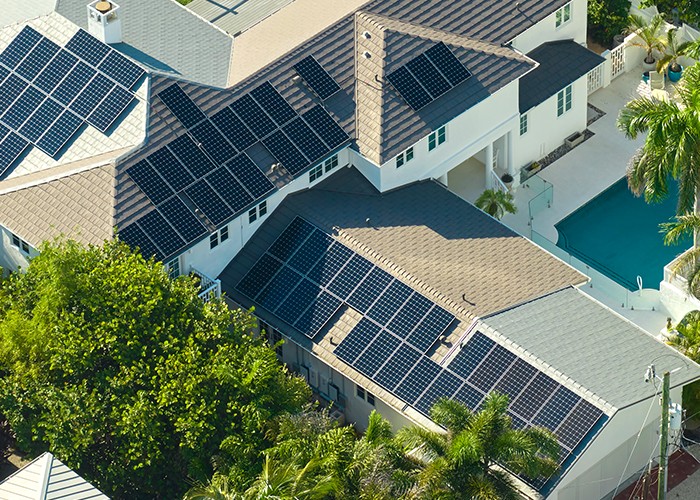
A grid-tied system is the most common type of solar setup. It connects directly to the main electricity grid. During the day, your panels generate power. If you don’t use all of it, the extra energy goes back to the grid.
At night or during low sunlight, you pull electricity from the grid. It sounds efficient—and it is. But there’s one limitation. When the grid goes down, your system shuts down too.
Why Grid-Tied Systems Stop During Outages
This may seem confusing at first. If the sun is shining, why not use the solar power? The reason is safety. When the grid is down, utility workers may be repairing lines. If your system keeps sending electricity, it can be dangerous.
So, grid-tied systems are designed to switch off automatically. This means no power during a blackout, even if your panels are working.
What Is a Backup Solar System?
A backup system works differently. It includes battery storage thatkeeps extra energy saved for later use. During the day, solar panels generate electricity. Some of it is used immediately, and the rest is stored in batteries. When the grid goes down, the system switches to battery power.
This allows you to keep essential appliances running even during an outage.
Which System Survives a Blackout?
The answer is simple. Backup systems survive. Grid-tied systems do not. If your main goal is to have power during outages, a backup setup is the better option. It gives you more control and peace of mind.
However, both systems have their place. Grid-tied systems are greatfor daily energy savings. Backup systems add reliability during unexpected situations.
How to Choose the Right System
Choosing between the two depends on your needs. If your area rarely experiences outages, a grid-tied system may be enough. It is simple and cost-effective.
But if outages are frequent, a backup system makes more sense. It ensures that you are not left without power when you need it most. Companies like SoL Energy often help assess these needs and suggest a system that fitsyour usage and location.
What About Roof Safety?
Some people also worry about solar panels and roof damage. This is a common concern, but with proper installation, it is rarely an issue.
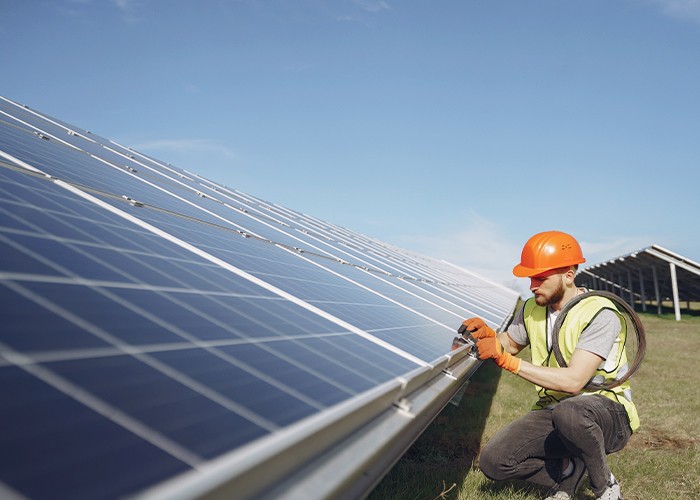
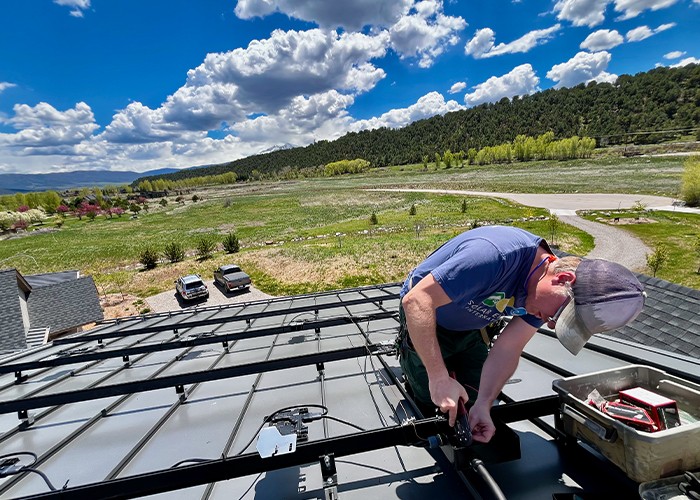
Professional installers ensure that panels are securely mounted without harming the roof structure. In many cases, solar panels can even protect parts of the roof from direct exposure.
Real-Life Usage During an Outage
With a backup system, you can power essential items like lights,refrigerators, and basic electronics. However, heavy appliances may need careful planning. Energy stored in batteries should be used wisely. Prioritizing important devices helps extend power during longer outages.
The Role of Smart Planning
Solar is not just about installing panels. It is about planning how the system will work in different situations. Understanding solar panels and power outage behavior helps avoid surprises. A well-designed system can make a big difference during emergencies.
Stay Powered, Stay Prepared with SoL Energy
Solar energy is a smart step toward lower bills and better efficiency. But when the grid goes down, the type of system you choose really matters. Grid-tied systems work well every day, while backup systems keep your essentials running when you need them most.
That’s where SoL Energy stands out. Their team focuses on designing systems that fit real-life needs—whether it’s saving more daily or staying powered during outages. From planning to installation, they keep the process simple and reliable.
Want reliable power even during outages? Connect with SoL Energy and get started with the right setup.
FAQs
1. Do solar panels work during a power outage?
Most grid-tied systems do not work during outages for safety reasons.This is why understanding solar panels and power outage behavior is important before installation.
2. How much power can a backup system provide during an outage?
It depends on the battery size and system design. Most systems can run essential appliances like lights, refrigerators, and basic electronics.
3. Can I upgrade my existing solar system toinclude backup power?
In many cases, yes. Adding battery storage can help your system provide power during outages.
4. What is the difference between grid-tied and backup solar systems?
Grid-tied systems connect to the main electricity grid and shut down during outages. Backup systems include battery storage and can provide power even when the grid is down.
5. Are backup solar systems difficult to maintain?
No, they are generally easy to maintain. Regular checks by professionals help keep the system running smoothly.