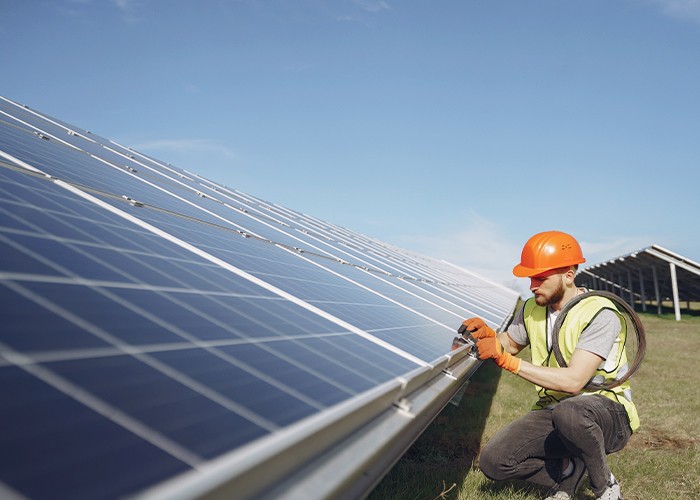
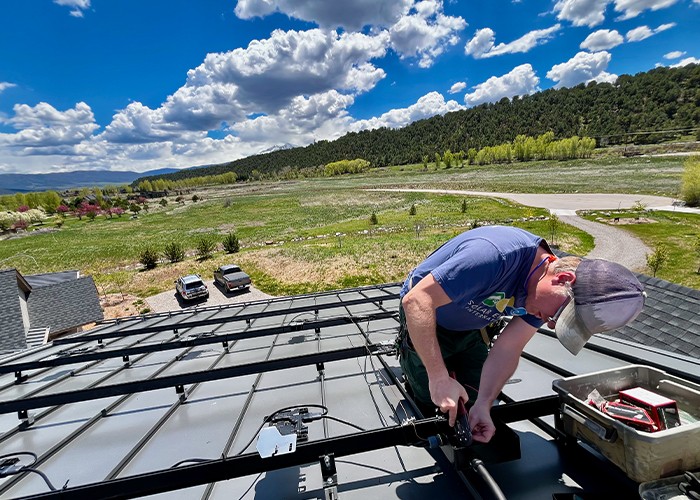
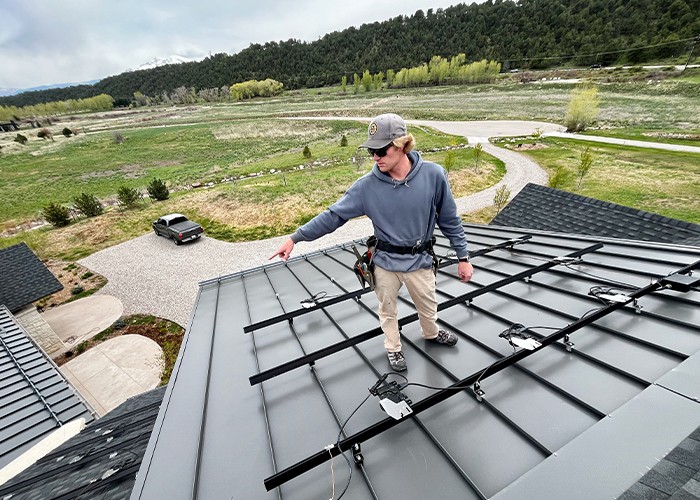
See how smart home solar panels work with energy monitoring and smart devices to help homeowners manage solar power more effectively.
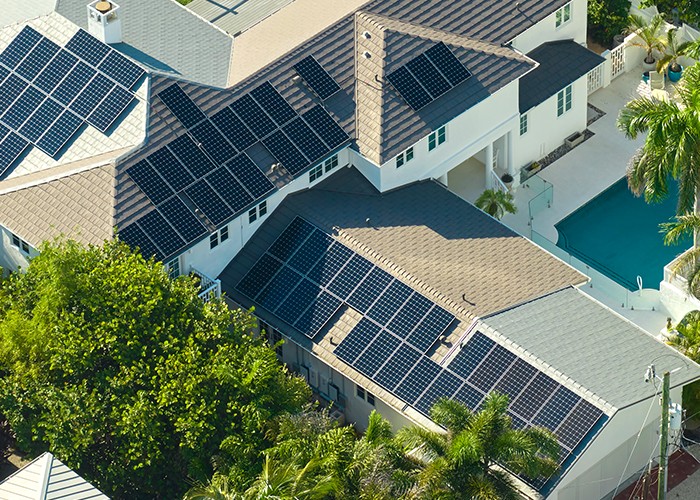
Quick Overview: Solar panels produce electricity, but how you use that power matters too. Smart technology can help homeowners track energy use, manage appliances, and shift certain activities to times when solar production is higher. This blog explains how smart home technology can work with solar, why local Colorado conditions matter, and how thoughtful planning can help home owners get more from their system.
Your solar panels are working while the sun is shining. But what are you doing with that power? If your home uses most of its electricity in the evening, some solar energy produced during the day may not be used right away. Smart technology can help bridge that gap by showing when your home uses the most power and helping shift certain tasks to sunnier hours.
That is the idea behind smart home solar—connecting solar production with everyday energy habits so your home can make better use of the electricity it produces.
Solar Works Better When Your Home Works Smarter
A solar system produces the most electricity during daylight hours. But many homes use the most energy in the morning and evening when people are cooking, relaxing, or using appliances.
This creates a simple challenge: How do you use more of the solar power your system produces? Smart technology can help answer this question.
Energy monitoring tools can show how much electricity your home is producing and using. Instead of guessing, you can see which appliances use the most energy and when your home demand is highest.
This information can help you make smarter decisions about daily energy use.
What Makes a Home “Smart” for Solar?
A solar-friendly smart home does not need every possible gadget. It simply needs tools that help manage energy better.
Some useful features include:
● Smart thermostats that adjust heating and cooling based on schedules
● Energy monitoring systems that track electricity use
● Smart appliances that can operate more efficiently
● Automated controls that help manage energy consumption
● Home energy management systems that connect different devices
These tools can work together with solar to help home owners understandand control their electricity use.
Smart Devices Can Help Match Energy Use With Solar Production
One of the biggest advantages of smart technology is timing. Solar panels usually produce the most energy during sunny daytime hours. Smart controls can help shift certain activities to that period.
For example, instead of running some appliances late at night, homeowners may choose to operate them during the day when solar production is higher.
A smart home system can make this easier by automating certain tasks. This does not mean changing your entire lifestyle. Small adjustments can help you use more of the energy your solar system already creates.
Battery Storage and Smart Energy Management
For some homeowners, battery storage can be part of a smarter solar setup.
A battery can store extra electricity produced during the day and make it available later when energy needs increase. Smart energy controls can help manage when power is stored, used, or monitored.
The right approach depends on the home's energy use, goals, and available solar production.
A professional solar evaluation can help determine whether storage or other energy management tools make sense for a specific property.
Your Home’s Design Also Matters
Technology is important, but the home itself still plays a major role. Roof direction, shading, insulation, heating and cooling systems, and appliance efficiency all affect how well a solar system performs.
For example, a home with heavy afternoon shade may produce less solar energy than a similar home with better sunlight exposure. A home with older, inefficient appliances may also use more electricity than necessary.
Before adding smart technology, it helps to understand the complete picture.
Why Local Conditions Matter in Colorado
Solar planning in Colorado comes with unique conditions.
Homes around the Roaring Fork Valley experience changing seasons, snow, mountain shading, and different weather patterns. These factors can affect solar production throughout the year.
A smart solar setup should consider these local details.
A homeowner in Aspen may have different solar opportunities than someone in a more open area near Glenwood Springs or Carbondale. Roof design, surrounding trees, and sunlight exposure all influence system performance.
How SoL Energy Can Help
Getting the most from solar starts with a system that fits your home, energy use, and goals. SoL Energy can help homeowners across the Roaring Fork Valley by:
● Reviewing your property: Looking at roof space, layout, shading, and other site conditions.
● Understanding energy use: Considering how much electricity your home uses and when demand is highest.
● Planning the system: Developing a solar design that matches your home's needs and available space.
● Supporting installation: Helping move the project from planning to installation with a clear process.
● Planning for the future: Considering changing energy needs and possible additions or upgrades.
● Providing guidance: Helping homeowners understand their solar options and make informed decisions.
Smart Solar Starts With Smart Planning
The future of home energy is not only about producing electricity. It is also about using that electricity in a better way. Smart home solar panels can help homeowners monitor energy, improve efficiency, and make more informed decisions about power use.
A smarter home does not need to be complicated. It simply needs the right combination of solar design, efficient technology, and thoughtful energy habits. For homeowners in Garfield and Pitkin County, planning ahead can help create a solar system that works better today and supports changing energy needs in the future.
Solar is only part of the picture. Connect with SoL Energy to explore how smarter energy use can help you get more from your system.
FAQs
1. How can smart technology improve solar usage?
Smart technology can show when energy is being produced and used,helping homeowners shift certain activities to times when solar production is higher.
2. Are smart devices necessary for a solar home?
No. Smart devices are not required for solar. However, energy monitors, smart thermostats, and automated controls can make managing solar power easier.
3. Can a smart home use solar power at night?
Solar panels do not produce electricity at night. Battery storage can store available daytime energy for later use, depending on the home's system.
4. Does Colorado weather affect smart solar planning?
Yes. Snow, seasonal sunlight, mountain shading, and changing weather can affect solar production, making property-specific planning important for Colorado homes.
5. Can homeowners monitor solar production from their phones?
Many modern solar systems offer monitoring platforms that allow homeowners to view solar production and energy use through a smartphone or online dashboard.