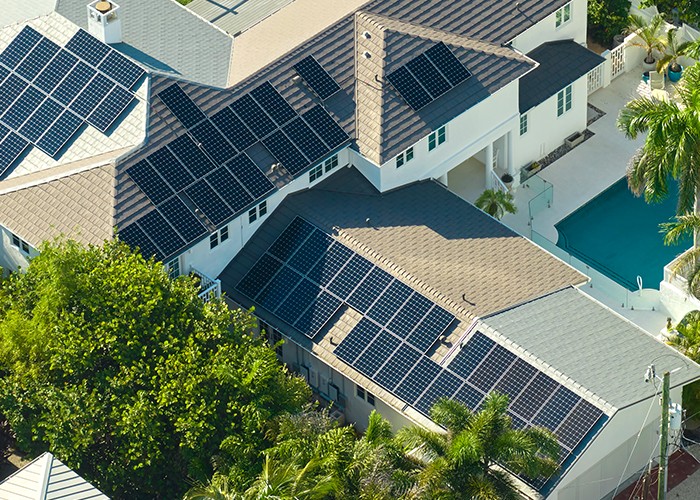
Xcel's Colorado residential customers are on time-of-use rates by default. Peak is 5 to 9 p.m. weekdays. What it costs and where a home battery fits.
Short answer: If you get power from Xcel Energy in Colorado, you are on a time-of-use rate unless you opted out. It is the default for Xcel residential customers, and the current on-peak hours took effect November 1, 2025. Power costs the most from 5 to 9 p.m. on non-holiday weekdays. A home battery charged by your solar can cover that window, so you buy less power when it costs the most.
If your Xcel bill looks different lately, this is probably why. Here is how the rate works and where a battery fits.
The Colorado Public Utilities Commission describes two periods for Xcel residential customers. On-peak is 5 p.m. to 9 p.m. on non-holiday weekdays, all year. Off-peak is every other hour, including weekends and holidays. On-peak power costs about 2.7 times the off-peak rate.
The PUC lists these base rates:
These are base rates. Your bill adds other charges, so check your own statement for the full picture.
Time-of-use is the default, not a requirement. Per the PUC, you can opt out and take a flat rate. The flat rate is higher than the off-peak rate and lower than the on-peak rate. Which one costs you less depends on when your household uses power.
Solar panels make most of their power around midday. The expensive window starts at 5 p.m., when the sun is dropping and the house is waking up: dinner, lights, laundry, the EV plugging in. In a Carbondale winter, it is dark before the window even opens.
A battery stores power and gives it back when it is expensive. On Xcel's rate, that means two things:
How much you save depends on your usage, your system size and your settings. We won't quote a savings figure in a blog post. Bring a recent bill and we will run it for your house.
The same battery also keeps your essentials on during an outage. Our post on fire safety outages and power shutoffs covers that side.
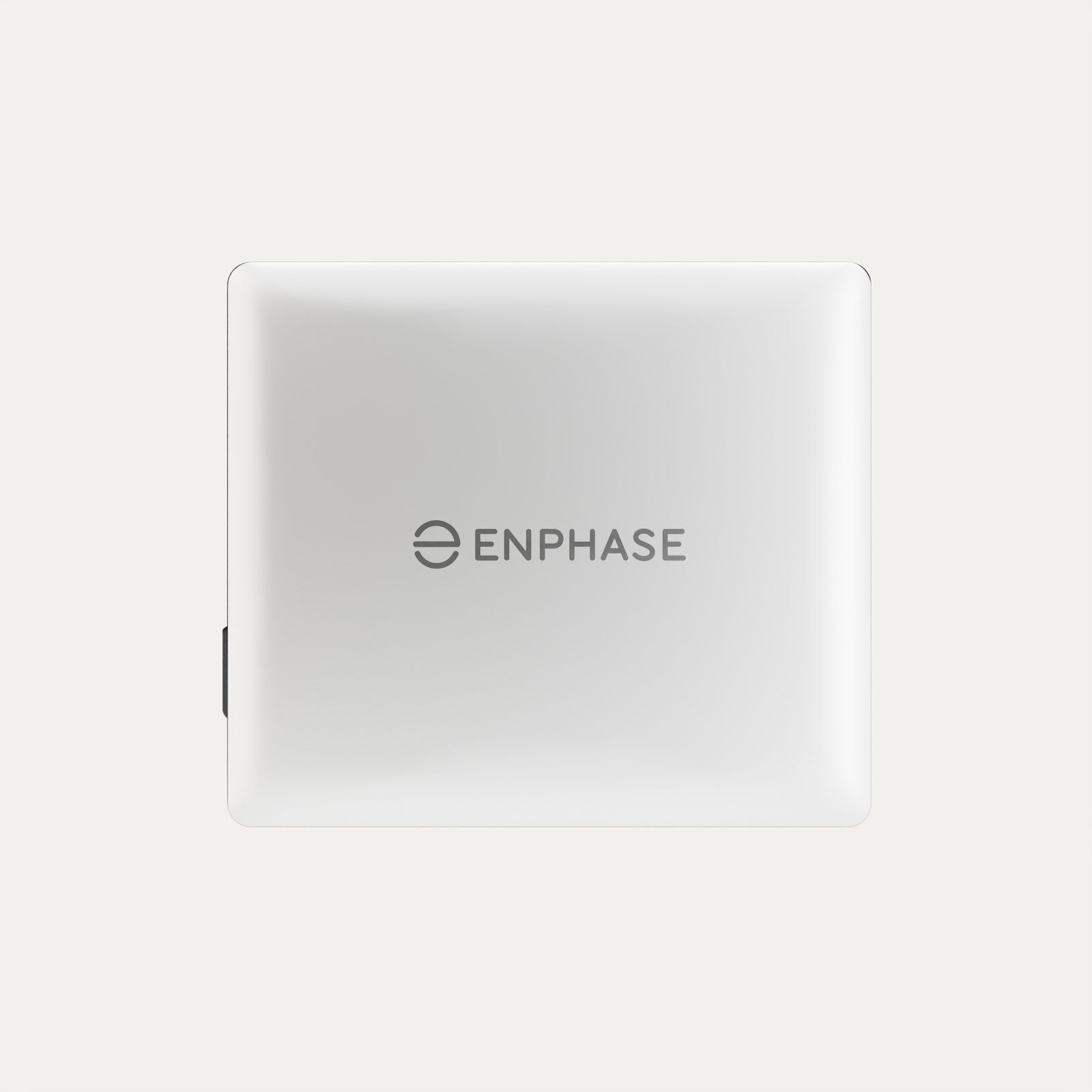
Most of our battery systems use the Enphase IQ Battery 10C. Each unit holds 10 kWh of usable energy, and we install them in 10, 20, 30 or 40 kWh systems. Enphase's data sheet lists an ambient operating range of -4°F to 122°F while charging and -4°F to 131°F while discharging. If you already have solar, many systems can add storage after a site and electrical review.
What does it cost? Your proposal shows the full price for your house, before any utility rebate.
Holy Cross has its own rate and battery programs, and they work differently. See Power+FLEX or time of use, or our batteries and backup page for what applies to each utility in the valley.
No. It is the default for residential customers, and you can opt out to a flat rate, according to the Colorado PUC.
5 p.m. to 9 p.m. on non-holiday weekdays, all year. Every other hour is off-peak.
It can, if you use a lot of power between 5 and 9 p.m. and the battery covers it. The size of the saving depends on your usage and setup, so we check your actual bill first.
It depends on the size of the system and the electrical work at your house. Your proposal shows the exact price, before any utility rebate.
Bring a recent Xcel bill and we will show you what storage would do at your house. Ask our Carbondale team for a Free Battery Proposal, or call us at (970) 963-1060.