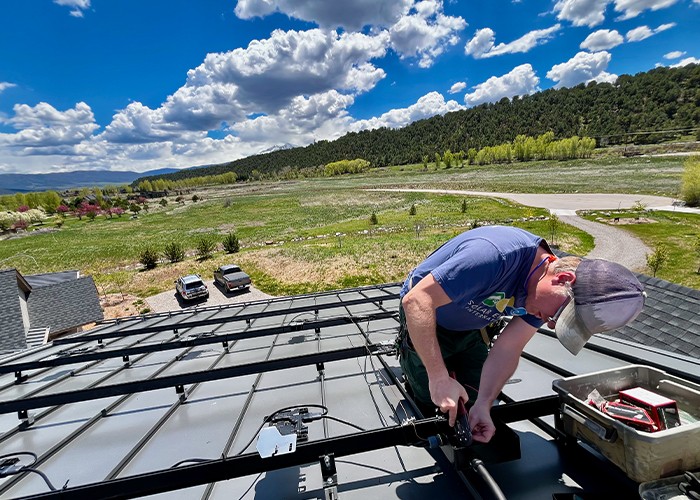
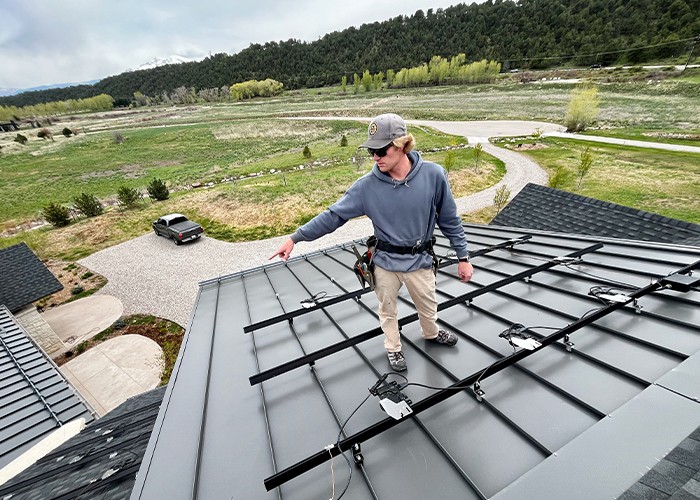
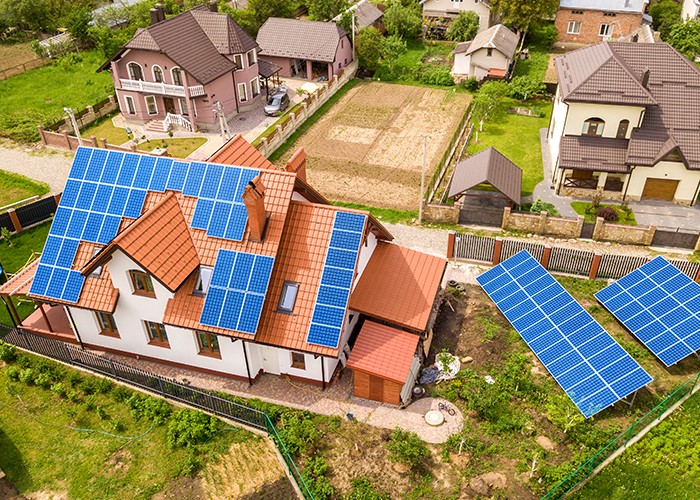
Farming is going solar for savings and stability. Explore how solar energy supports modern agriculture with expert guidance from SoL Energy.
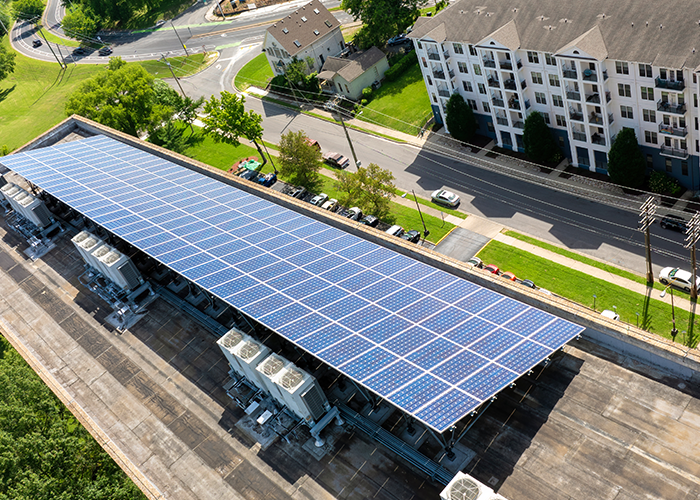
Quick Overview: This blog explains why farms and agricultural businesses are investing in solar energy. It highlights rising electricity costs, irrigation needs, and the demand for reliable power in farming operations. It also covers how solar helps reduce expenses, improve efficiency, and support sustainability. With expert planning, solar becomes a practical long-term solution for modern agriculture and rural energy challenges.
Farming today is not just about crops and land. It is also about managing rising electricity costs and keeping daily operations running smoothly. From irrigation pumps to cold storage and farm equipment, agriculture depends heavily on power.
That is why more farms are switching to solar energy. It helps reduce electricity bills, improves energy control, and supports long-term savings. Many agricultural businesses exploring solar panel commercial Pitkin or Garfield solutions are now building smarter and more reliable energy systems.
1. Rising electricity costs are affecting farms
One of the biggest reasons farms are investing in solar is the rising cost of electricity. Farming uses a lot of power every day, especially during peak seasons.
Common energy needs include:
● Water pumpsfor irrigation
● Coldstorage for crops
● Live stock systems
● Processing and machinery
Unlike other businesses, farms cannot simply “turn off” energy use. That is why solar has become a practical solution for cost control and savings.
2. Solar helps reduce monthly energy bills
Solar power helps farms generate their own electricity during the day. This reduces the amount of power taken from the grid.
Over time, this leads to:
● Lower monthly electricity bills
● More predictable energy costs
● Better long-term financial planning
Many agricultural businesses are now seeing solar as a way to protect themselves from rising utility prices.
3. Better power for irrigation systems
Irrigation is one of the most energy-heavy parts of farming. Waterpumps often run for long hours, especially in dry seasons.
Solar energy is a strong fit because:
● It produces power during daylight hours
● Irrigation demand is also highest during the day
● It reduces pressure on the electricity grid
This makes solar a natural match for farm operations that rely on water management.
4. Reliable energy for daily farm operations
Even short power cuts can affect farming activities like storage, feeding systems, and equipment use. That is why reliable electricity is so important.
Solar systems help improve reliability by:
● Supporting daytime operations
● Reducing dependency on unstable grid supply
● Keeping essential systems running more smoothly
In rural farming areas, this stability is a major advantage.
5. Solar supports rural and remote farms
Many farms are located far from cities where power supply can be less stable. In these areas, energy costs can also be higher. Solar helps solve this by producing energy directly at the farm location. This reduces dependence on long-distance power lines and improves energy independence.
For instance, agricultural setups with solar panel commercial Garfield installations are using solar power to support irrigation needs and reduce day-to-day energy expenses.
6. A step toward sustainable farming
Modern agriculture is also focusing more on sustainability. Solar energy helps farms reduce their carbon foot print and move toward cleaner operations.
Benefits include:
● Less dependence on fossil fuels
● Cleaner and renewable energy use
● Stronger environmental responsibility
This is becoming important for long-term farming success and market demand.
Why Proper Solar Design Matters
Every farm is different. Energy needs depend on farm size, crops, equipment, and water usage. That is why system design is very important. A well-planned solar setup ensures better performance and long-term savings.
With years of experience in Colorado, SoL Energy focuses on custom solar solutions built around real energy needs, not one-size-fits-all systems.
Every project is carefully planned based on usage, site conditions,and long-term goals to ensure better performance and efficiency. Their approach includes quality system design, dependable installation, and long-term energy savings.
Power Your Agriculture with Smart Energy
Farming today is not just about crops and land. It is also about managing rising electricity costs and keeping daily operations running smoothly.
From irrigation pumps to cold storage and farm equipment, agriculture depends heavily on power. That is why more farms are switching to solar energy. It helps reduce electricity bills, improves energy control, and supports long-term savings.
With expert planning and reliable support, many agricultural businesses are now building smarter and more reliable energy systems. To explore custom solar solutions for your farm or business, connect with SoL Energy for expert guidance and tailored system design.
FAQs
1. How does solar energy help agriculture?
Solar energy helps farms lower operating costs by generating electricity on-site. It also supports irrigation systems, cold storage, and essential farm equipment.
2. Is solar a good investment for agricultural businesses?
Yes. Solar provides long-term savings, reduces dependence on the grid, and offers more predictable energy costs for farming operations.
3. What are the benefits of solar for rural farms?
Rural farms benefit from reduced energy costs, improved power stability, and less dependence on long-distance grid supply.
4. Do farms need custom solar system design?
Yes. Every farm has different energy needs. Custom design ensures the system matches irrigation, equipment load, and seasonal usage patterns.
5. How does SoL Energy support agricultural solar projects?
SoL Energy provides custom-designed solar solutions for farms, focusing on efficiency, reliability, and long-term energy savings.