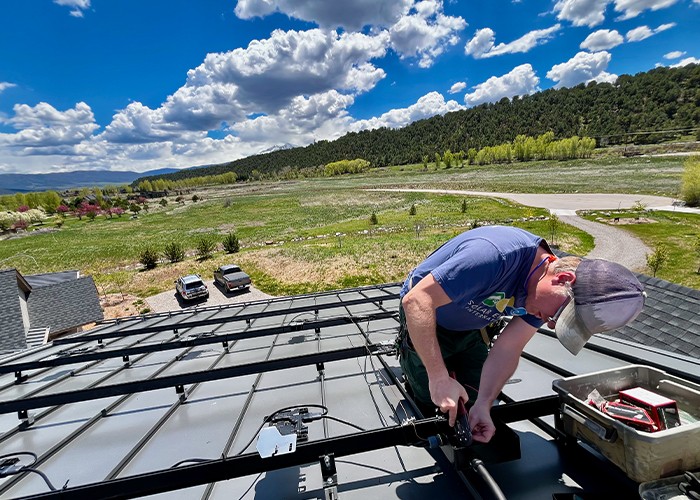
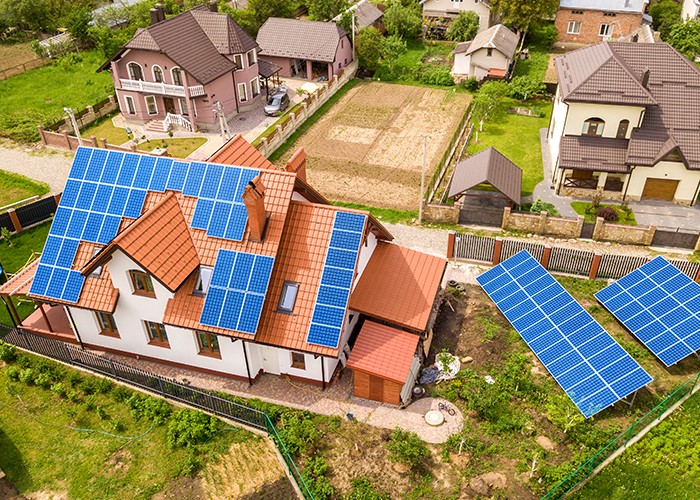
Thinking about solar for a Colorado school? Learn about the benefits, planning needs, local conditions, and how SoL Energy can help.
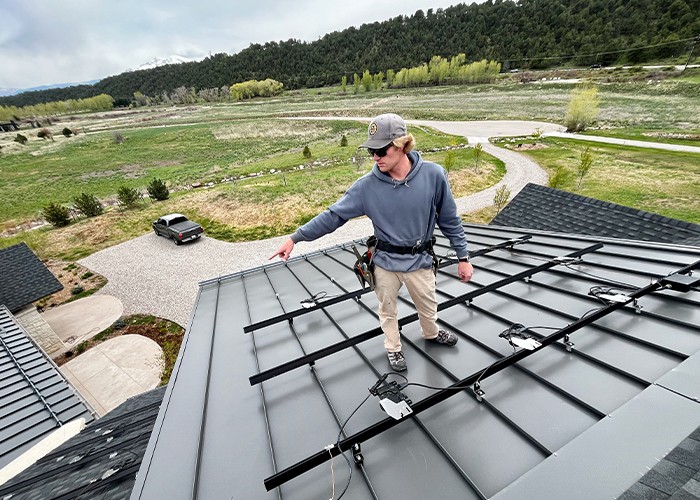
Quick Overview: Solar can be a smart choice for schools, helping reduce energy costs while giving students a real-world look at renewable power. But school solar projects need careful planning. Energy use, school schedules, roof conditions, electrical needs, weather, and future goals all matter. This blog explains why solar works well for schools and what makes their installation needs different.
Imagine a school where the roof does more than protect classrooms from the weather. It also helps power lights, computers, heating systems, and other equipment used every day. That is why solar can be a smart fit for schools. Research from the National Renewable Energy Laboratory (NREL) highlights lower energy costs, environmental benefits, and learning opportunities as key advantages of school solar projects.
In Colorado’s Roaring Fork Valley, SoL Energy services help schools and other properties use solar power effectively. However, school solar requires more than adding panels. The system must match energy use, roof space, electrical needs, schedules, and future goals. That makes school solar different.
Why Schools Are a Good Fit for Solar
Schools use a lot of electricity during the day.
Classrooms need lights and computers. Kitchens use appliances. Gyms may need heating and ventilation. Offices, science rooms, and other spaces add to the total demand.
That daytime use can work well with solar power because solar panels produce electricity when the sun is shining.
A school in Carbondale, Aspen, Basalt, or another part of Garfield or Pitkin County can potentially use solar energy while students and staff are inthe building. Instead of buying all of that daytime electricity from the grid, some of the power can come directly from the solar system.
The Savings Can Benefit the School
Energy is an ongoing cost for any school. A solar system can help reduce the amount of electricity a school needs to purchase. Over time, those savings can make a meaningful difference to the property's operating costs.
The actual savings will depend on the system size, electricity use,utility rates, available sunlight, and other factors. That is why a school needs a system designed for its own building rather than a standard package.
The goal is simple: produce useful power without installing more solar than the property can reasonably use.
A School Has a Very Different Schedule
This is where school solar planning starts to get interesting. A school does not operate like a home. It may be busy from early morning through the afternoon, quieter in the evening, and nearly empty during weekends and school breaks.
Summer is another major factor. The building may have fewer students and staff, yet some systems still need to operate. Heating, cooling, ventilation, refrigeration, security, and other equipment can continue using electricity.
So, solar planning needs to look at when electricity is being used, not only how much is used over an entire year. This information can help determine the right system size and how solar production may match the school's actual demand.
The Roof Needs More Attention
A school roof can look perfect for solar from the ground. But there is much more to check. A professional assessment may need to consider roof age, available space, orientation, shading, structural capacity, and existing equipment.
Large roofs can have vents, mechanical equipment, skylights, and other features that affect panel placement. Nearby trees or mountains can also change the amount of sunlight reaching different sections of the roof.
For a school in the Roaring Fork Valley, local weather also matters. Snow and changing mountain conditions should be considered when estimating how a system will perform throughout the year.
Solar Can Become a Learning Tool
Here is one benefit that makes school solar especially interesting. Students can actually see renewable energy at work. A solar array can become part of lessons about electricity, weather, science, mathematics, and energy use. Students can compare production on sunny and cloudy days. They can watch seasonal changes and see how much power the system generates.
NREL has also identified learning opportunities as one of the benefits of solar installations at schools. This gives the system a purpose beyond reducing an electricity bill.
Installation Must Work Around School Life
Installing solar at a school also requires careful planning around people.
There are students moving between classrooms. Teachers need safe access to their work areas. Staff may have scheduled activities. Equipment and construction work need to be managed without creating unnecessary disruption.
The project may also involve larger electrical equipment and more complex wiring than a small property. That means the installation plan should consider not only the finished solar system but also how the work will happen safely and efficiently.
Local Planning Makes a Difference
Solar can be a strong choice for schools in Carbondale, Aspen, Basalt, Glenwood Springs, Garfield, and Pitkin County. But every campus has its own energy use, roof layout, surroundings, and operating schedule.
The best approach is to start with the building itself.
Look at energy bills. Review the roof. Study sunlight and shading. Understand electrical demand. Consider future needs. Then design the solar system around those findings.
For schools, solar is more than putting panels on a roof. It can lower energy costs, support cleaner power, and give students a real-world example of renewable energy. The key is making sure the system is planned for how a school actually works.
How SoL Energy Can Help
What could solar look like on your school? It starts with more than a roof and a row of panels. SoL Energy looks at how the building uses energy, when demand is highest, available roof space, electrical needs, site conditions, and future goals.
With experience serving the Roaring Fork Valley, the team can help shape a solar plan around how your school actually operates. The result is a system designed with the property and its people in mind.
Thinking about solar for your school? Reach out to SoL Energy and start the conversation.
FAQs
1. Why does solar planning for schools require a different approach?
Schools have changing schedules, large electrical loads, classrooms, kitchens, and other facilities. Their solar systems must match these unique energy-use patterns.
2. Can a school use solar power during the school day?
Yes. Solar panels produce electricity during daylight hours, which can align well with classrooms, offices, kitchens, and other daytime school activities.
3. Can solar become part of classroom learning?
Yes. Students can monitor solar production and use real energy data for lessons involving science, mathematics, weather, electricity, and environmental topics.
4. How does Colorado weather affect school solar planning?
Snow, seasonal sunlight, mountain shading, and changing weather can affect solar production. These local conditions should be considered when estimating annual energy output.
5. What does SoL Energy offer for school solar projects?
SoL Energy provides photovoltaic engineering, procurement, construction, and ongoing support, helping create solar systems suited to each property's specific needs.