Learn how commercial solar design can help businesses in Garfield County manage electricity costs and plan for local conditions.

For businesses in Garfield County, electricity costs are an important part of operating expenses. A well-designed commercial solar system can generate power on site and reduce how much electricity a business buys from the grid. In the Roaring Fork Valley, a project should account for the building, energy use, and local utility rules.
Solar can also show customers and employees that your business is taking practical steps to use renewable energy. SōL Energy works with businesses in Carbondale and nearby communities to assess their sites and energy needs.
Why Solar Panels Make Financial Sense for Businesses
Energy costs can take a substantial share of a company’s budget. Installing commercial solar panels can let a business generate some of its own power and reduce its reliance on grid electricity.
With a system designed around your building and energy use, solar can help manage electricity costs over time. Payback depends on your utility, rate, usage, and system cost. We show the numbers for your address in your proposal.
The Importance of Commercial Solar Design in Garfield
Not all solar systems are created equal. Proper commercial solar design in Garfield considers building layout, roof space, and energy consumption to plan an efficient setup.
A well-planned system can produce more of the energy your business needs and help reduce the risk of costly installation mistakes. Each utility sets its own sizing and interconnection rules; we confirm them before design.
Incentives and Financial Support
Incentives change. We review what applies to your project and show it in your proposal. Ask us what currently applies.
Low Maintenance, Long-Term Benefits
Commercial solar panels require routine attention, but maintenance needs are generally limited. Panels typically last 25 years or more, providing businesses with the potential for long-term energy production.
Choosing the Right Installer
Selecting the right commercial solar panel installer in Garfield or Pitkin County is important. A local, experienced team can help account for building codes, weather, and energy demands so your system is designed and installed for its site.
A professional installer like SōL Energy can design a system tailored to your business. A careful design and installation process can help avoid mistakes and support reliable system performance.
Real-World Examples in Garfield County
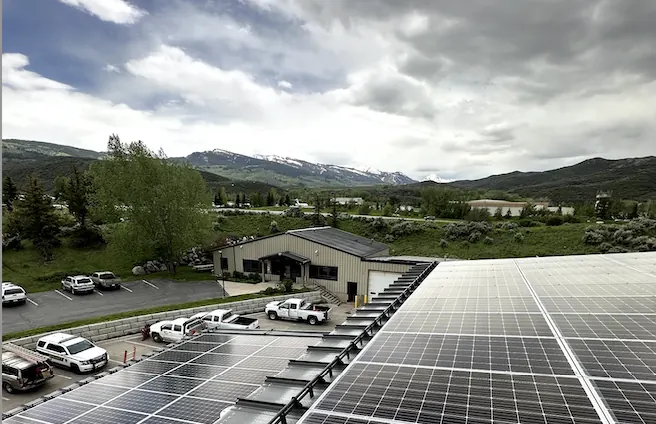
The Garfield County Airport Solar Array is a local example of solar development. Businesses can use their own energy bills, site conditions, and utility requirements to evaluate whether solar is a good fit.
Solar: A Smart Business Choice
Commercial solar can be a practical option for businesses looking to manage electricity costs and use renewable energy. SōL Energy can help assess your site, review applicable incentives, and plan a system around your business’s energy use.
Questions about your roof or your bill? Call us at (970) 963-1060 or request a free quote.
Questions You May Have
1. What should I look for in a commercial solar panel installer?
Consider the installer’s experience, qualifications, and familiarity with local requirements. Ask how the team handles system design, installation, permits, and ongoing service.
2. What permits are required for commercial solar installations?
Commercial solar installations may require electrical, structural, and zoning permits. Requirements depend on the project and location, so confirm them with your installer and local authorities before work begins.
3. How can I get started with a solar installation?
Start by reviewing your energy use and arranging a site assessment. SōL Energy can evaluate your property and discuss a system suited to your business. Contact SōL Energy to request a consultation.
4. Can commercial solar panels handle high energy demands?
Commercial systems can be designed for a range of energy needs. The share of a business’s electricity that solar can supply depends on the site, system size, and utility requirements.
5. Do solar panels work in snowy or cloudy weather?
Solar panels can generate electricity during cloudy weather, though production may be lower. Snow can temporarily affect output, and local conditions should be considered during design.