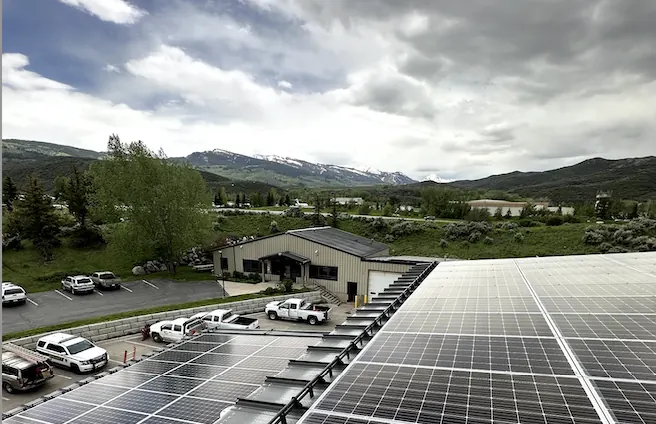
A look at solar panels, battery storage, and energy planning for homeowners and businesses in the Roaring Fork Valley.

Homeowners and businesses across the Roaring Fork Valley are weighing solar to manage energy costs and use more clean power. For people in Carbondale and nearby communities, planning means considering roof space, utility rules, snow, and shorter winter days.
Solar panels and battery storage can help meet those goals, but the right system depends on your property and electricity use. Here are a few trends to consider as you plan for the years ahead.
Why 2030 Matters for Colorado Solar
Solar panel technology has improved over the past decade, with newer panels designed to produce more electricity from available roof space. Colorado’s high elevation and sunny conditions can support solar production, though output varies by season, weather, roof orientation, and system design.
Planning ahead gives you time to review your energy use and utility requirements before deciding whether solar is a fit.
Trend #1: Higher Efficiency, Better Output
Modern solar panels can convert sunlight into electricity more efficiently than older models. This can mean more power from the same roof space. Systems also need to be designed for local conditions, including snow, wind, and strong sun exposure. A site assessment helps determine what is appropriate for your home or business.
Trend #2: Energy Storage for Backup Power
Grid interruptions can happen during severe weather or other disruptions. Some homeowners add battery storage to store solar electricity for use later. A battery can also provide backup power for selected loads during an outage, depending on the system design and battery capacity.
Solar and batteries work differently from one property to another. Your utility’s rates and rules can also affect how a system operates and its value.
Trend #3: Solar Growth Across Local Communities
Solar adoption is expanding beyond large cities. Interest in a solar energy solution for residents of Garfield County has grown as homeowners consider energy costs and cleaner power. Each property has its own site conditions, utility requirements, and energy needs, so a local assessment is an important first step.
Trend #4: Long-Term Cost Control
Electricity prices and utility rates can change over time. Solar may help some property owners produce part of their own electricity, but savings depend on your utility, rate, usage, and system cost. We show the numbers for your address in your proposal. Maintenance needs are generally low, though systems should be monitored and maintained as needed.
Opportunities to Consider
Start by evaluating your roof and energy use. A proper assessment helps determine whether a system can be sized to suit the property.
Next, consider professional system design and installation. Panel placement, utility interconnection requirements, and monitoring all affect how a system performs. If you are considering a battery, discuss which loads you want to support and how much backup power you need.
Utility rules differ by location and can change. We confirm the applicable requirements before design and review current incentives that may apply to your project.
Planning for Solar with SōL Energy
For homeowners and businesses in the Roaring Fork Valley, solar planning starts with the property, the utility, and your energy goals. SōL Energy has been in business since 2003 and works with local customers to assess their options.
Questions about your roof or your bill? Call us at (970) 963-1060 or request a free quote.
Popular Questions & Answers
Q: How can solar energy affect electricity costs in Colorado?
A: Solar can reduce the amount of electricity you buy from your utility, but the financial results depend on your utility, rate, usage, and system cost. We show the numbers for your address in your proposal.
Q: Is solar energy reliable in Colorado’s climate?
A: Solar panels can produce electricity in Colorado’s climate, including on cold, sunny days. Production varies with season, weather, and site conditions, so system design should account for the property.
Q: Will solar energy still be effective by 2030?
A: Solar panels can continue to produce electricity over the long term. The system that makes sense for you depends on your property, energy use, and utility requirements.
Q: Do solar panels require a lot of maintenance?
A: Solar panels generally require limited maintenance. Monitoring and occasional system checks can help identify issues that may affect performance.
Q: Why consider solar now instead of later?
A: Starting now gives you time to assess your property, energy use, and utility requirements. Whether to proceed depends on your goals and the project numbers for your address.