What home solar has cost on our recent Roaring Fork Valley proposals: price per watt, whole-system totals, battery add-ons and the rebates that apply.

Short answer: On our recent home solar proposals in the valley, installed solar has mostly run about $3.00 to $3.30 per watt for systems between roughly 11 and 25 kW. Small systems cost more per watt. Our recent 11 to 13 kW home proposals have come in around $34,000 to $40,000. Batteries, electrical upgrades and roof work are extra.
Search "average cost of solar in Colorado" and you'll get an average from somewhere else. We'd rather show you what we've actually quoted. Everything below comes from our own 2025 and 2026 proposals.
Solar is priced by the watt because system sizes vary so much. A small cabin outside Marble and a big house in Snowmass have different numbers of panels, and dollars per watt lets you compare them fairly.
Our recent residential proposals look like this:
Small systems cost more per watt because some of the work is the same no matter how many panels go up: the design, the permit, the utility application and the trip to the site. Spread over fewer panels, those costs push the per-watt number up.
A few recent examples, all solar only:
From Carbondale to Snowmass, the right size follows your electric bills more than your square footage. A house with an electric heat pump and an EV in the garage needs a lot more solar than one heated with gas.
On our proposals, the solar price covers:
The system carries a 25-year warranty on all materials included.
Every roof and electrical panel in this valley is a little different. Three things most often add to a quote:
Electrical work. Older homes sometimes need a panel or service upgrade before solar can tie in. When a licensed electrician has to do extra work, we price it as a separate line.
Roof work. If the roof needs replacing in the next few years, do it before the solar goes on. If the panels have to come off later, removing and reinstalling them has run $1,750 to $2,500 on two past service jobs, depending on the job.
Site conditions. Steep pitches, ground mounts and long wire runs to an outbuilding all change the labor. We price those after a site visit instead of guessing.
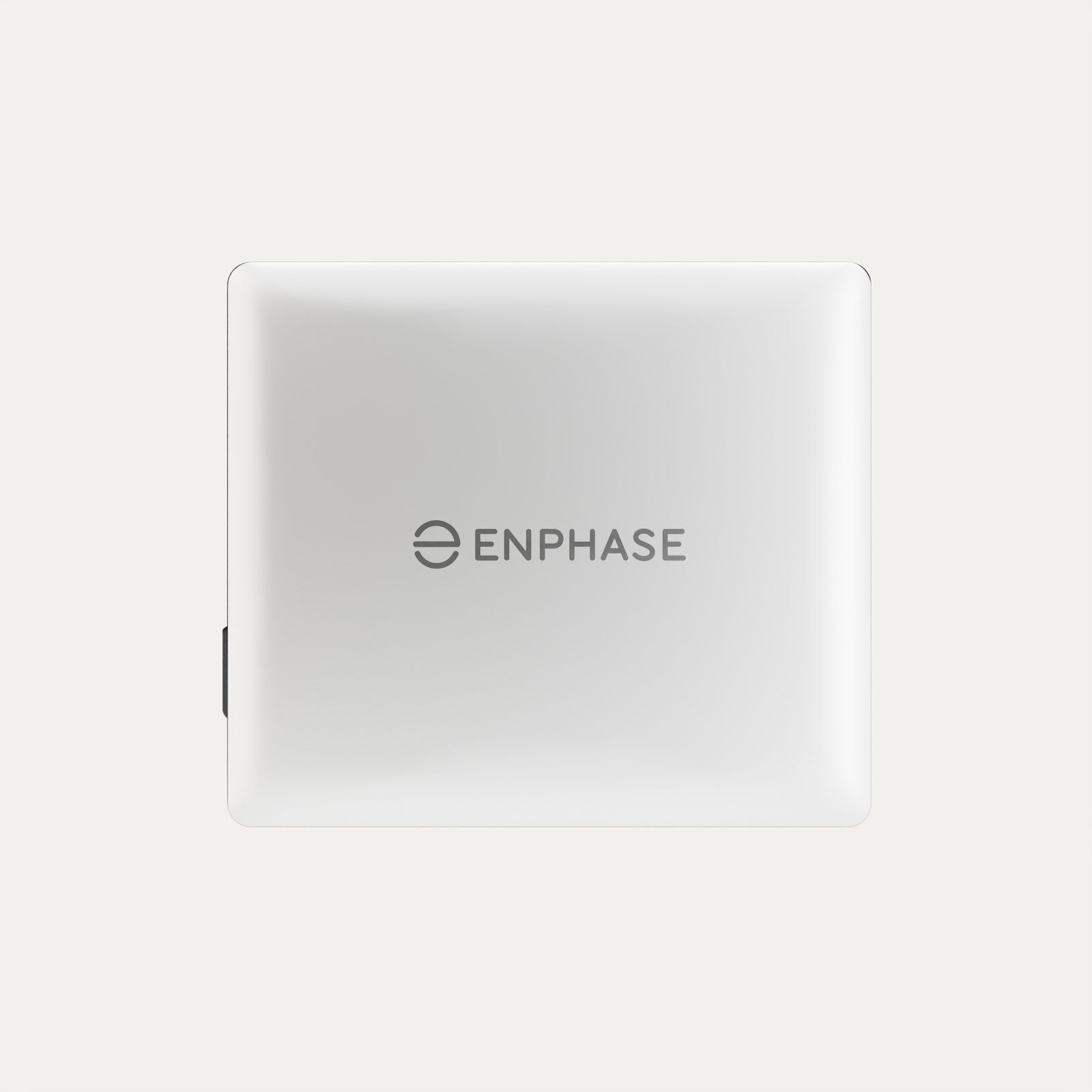
Backup comes up often, especially after this year's fire-season outages in Garfield County. Most of our battery systems use the Enphase IQ Battery 10C, which holds 10 kWh per unit, installed in 10, 20, 30 or 40 kWh systems.
Battery pricing depends on how many units you add and the electrical work your house needs, so your proposal prices it for your house. After the first battery, each added battery on the same system has run roughly $5,800 to $8,500 on our recent proposals. Our post on fire safety outages and home batteries covers when backup is worth it. Our batteries and backup page lists the equipment.
The numbers above are before incentives. What you can get depends on who sends your electric bill.
Xcel Energy customers. Xcel's Renewable Battery Connect pays general customers $250 per kW AC of a battery's max continuous discharge power, up to $5,000 per application, plus $100 a year for five years for taking part in control events. Income-qualified customers and those in disproportionately impacted communities get higher rates.
Holy Cross Energy members. Holy Cross publishes its current solar and battery incentives on its Solar + Battery Energy Storage page.
City utilities. Glenwood Springs and the City of Aspen run their own electric utilities. Utility rebates change often, so ask us what's available on your utility right now.
For many of our customers, solar pays for itself in roughly 7 to 10 years. Where you land in that range depends on your utility, your rate, how much of the power you use on site and how your roof faces. Your proposal runs those numbers against your own bills.
On our recent residential proposals, installed solar has mostly run about $3.00 to $3.30 per watt for systems between roughly 11 and 25 kW. Our recent 11 to 13 kW home proposals have come in around $34,000 to $40,000 before incentives.
Design, permitting, the utility application and getting a crew to the site cost about the same for a small system as a larger one. With fewer panels to spread them across, the price per watt goes up.
Hyundai modules, Enphase IQ8 microinverters, racking, installation, engineering, permitting and the utility application. Electrical upgrades and batteries are priced as separate lines when you need them.
It depends on how many batteries you add and what electrical work your house needs. On our recent proposals, each battery added after the first has run roughly $5,800 to $8,500 before rebates. Your proposal shows the full battery price.
It depends on your utility. Xcel's Renewable Battery Connect pays an upfront battery incentive. Holy Cross lists its own solar and battery incentives. We check what applies to your address.
For many of our customers, roughly 7 to 10 years, depending on utility, rate, roof and how you use power.
The fastest way to know your price is to have us look at your roof and your bills. We've been installing solar in the valley since 2003. Get a Free Quote, or call us at (970) 963-1060.