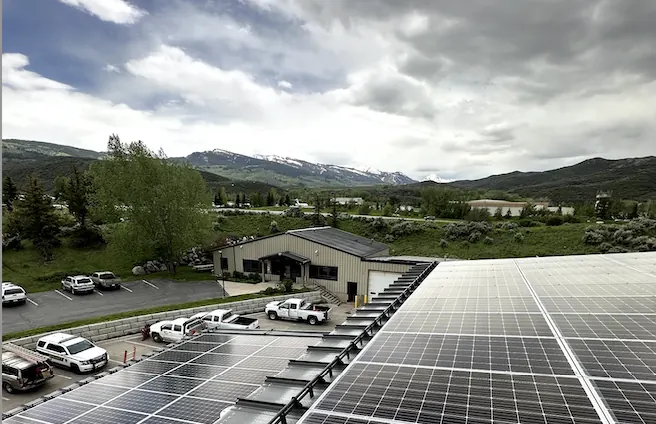
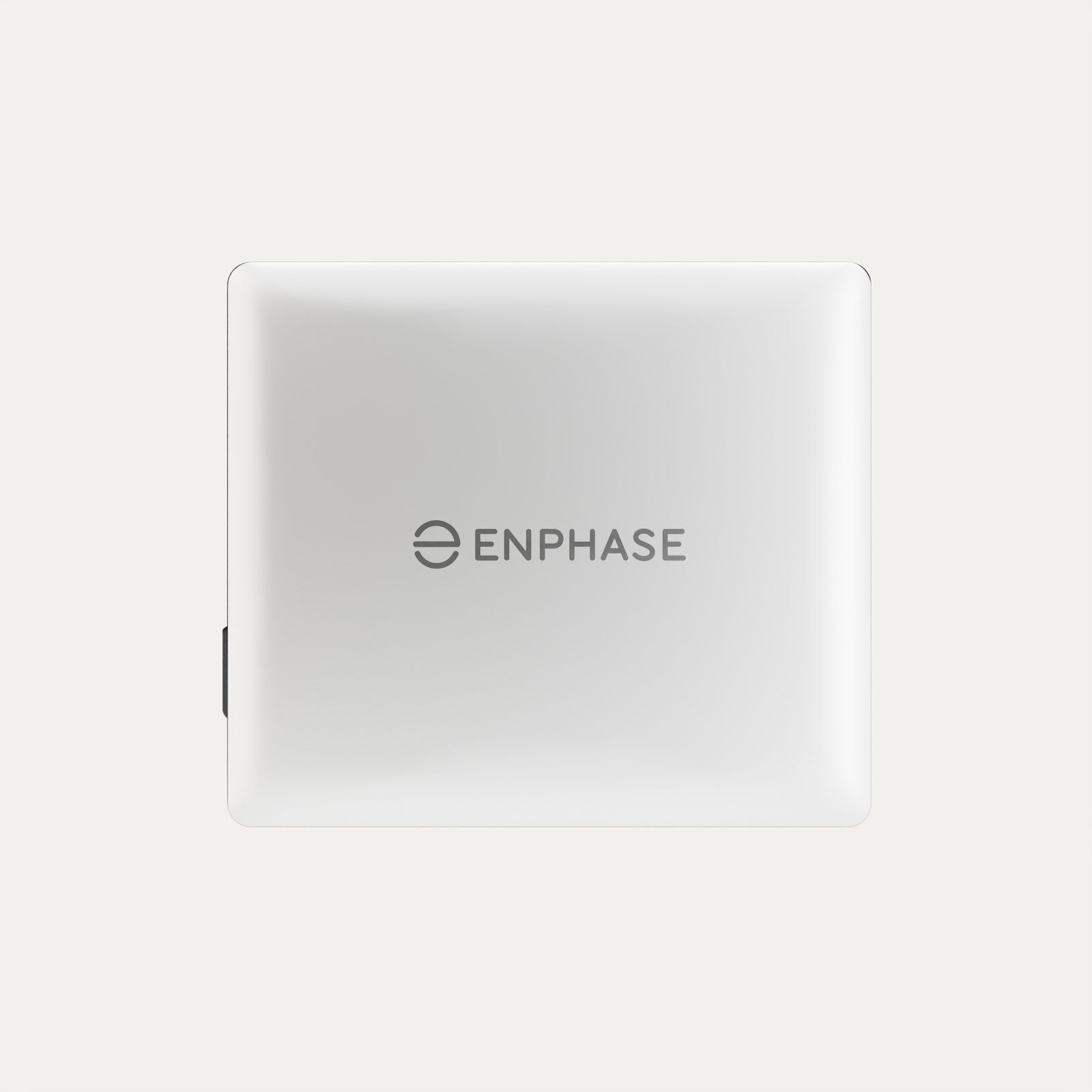
Learn practical ways to care for a home solar battery in the Roaring Fork Valley, from temperature protection to monitoring and outage planning.
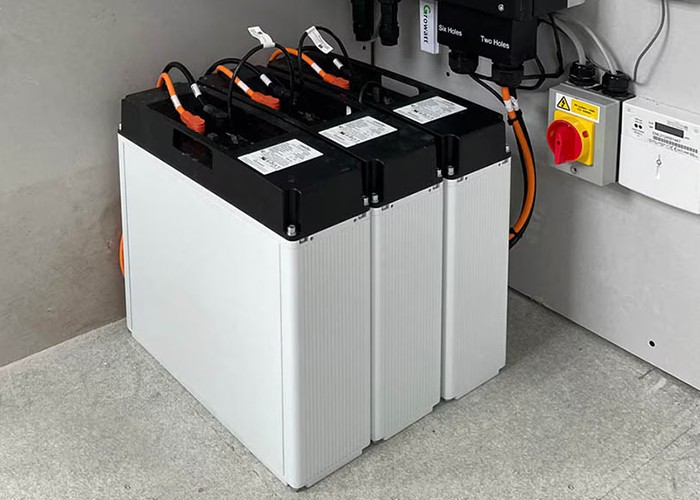
Solar batteries can last 10 to 15 years or longer, depending on the equipment and how it is used and maintained. For homeowners in Garfield County and Pitkin County, a few practical habits can help protect a home battery backup system through cold winters, warm summers and power outages.
You don’t need special tools to keep an eye on your system. Start by learning its recommended settings and checking its performance regularly. Your installer or battery manufacturer can provide guidance for your specific equipment.
1. Know What Type of Battery You Have
Not all solar batteries are the same. Lithium-ion batteries are common in home systems and generally require less routine upkeep than older battery types. Ask your installer what kind of battery you have, how much power it can store and which settings are recommended.
Why does this matter?
Knowing your battery type can help you manage energy, especially during winter or cloudy weather.
2. Avoid Draining the Battery Too Low
Try not to routinely drain your battery to zero. Deep discharges can put stress on its cells and shorten its lifespan. Follow the manufacturer’s recommended charge and reserve settings, which can vary by battery model and system.
Think of your battery like a car: running it completely empty every day is not a good routine. Keeping a reserve can help protect the battery and leave power available when you need it.
3. Protect It from Extreme Temperatures
Temperature affects battery performance. Extreme cold can limit charging or output, while extreme heat can contribute to faster wear.
Follow the manufacturer’s installation and temperature guidance. In general:
Colorado weather can be unpredictable, with cold winters and warm summers. Battery location and installation conditions matter.
4. Use Your Energy Wisely
Your energy habits affect how quickly a battery discharges. Running several heavy appliances at once can draw power quickly. When possible, spread out large loads and run energy-intensive appliances during daylight hours when your solar system is producing power.
Try simple steps like:
These changes can reduce unnecessary energy use and help you make better use of the power your system produces.
5. Monitor Your System Regularly
Many solar battery systems include monitoring tools. These dashboards can show battery status, charging patterns and energy use.
With regular monitoring, you can:
Checking the system regularly can help you spot changes that may need attention.
6. Schedule Routine Check-Ups
Even reliable systems need occasional check-ups. An inspection can identify issues such as loose wiring, outdated software or damaged parts before they become larger problems. Ask your installer what maintenance schedule is appropriate for your equipment.
Local conditions and weather can affect system maintenance needs, so professional guidance can be helpful.
7. Use Your Battery Smartly During Outages
During a power outage, focus on essential items rather than running everything as usual. These may include:
Limiting heavy loads can help your stored energy last longer during an outage.
Keep Your Solar Battery Working Well
Battery care starts with following the manufacturer’s recommendations, avoiding routine deep discharges, protecting the equipment from temperature extremes and checking system performance. Whether you live in Garfield County or Pitkin County, these habits can help you get dependable service from your battery.
SōL Energy has served Colorado homeowners since 2003. We can help you understand your system and plan for local conditions.
Questions about your roof or your bill? Call us at (970) 963-1060 or request a free quote.
Everything You Need to Know
Q: How long do solar batteries typically last?
A: Many modern solar batteries last 10–15 years. Actual lifespan depends on the battery, its use and its operating conditions.
Q: What habits help solar batteries last longer?
A: Avoid routinely draining the battery too low, follow its recommended temperature and operating limits, monitor usage and schedule maintenance as recommended.
Q: Does extreme weather affect battery performance?
A: Yes. Very hot or cold temperatures can affect performance. Follow the manufacturer’s placement and operating guidance to protect your battery.
Q: Can monitoring apps improve battery lifespan?
A: Monitoring charge, discharge and energy use can help you notice unusual patterns early and adjust how you use the system.
Q: What’s the benefit of professional support for solar batteries?
A: A qualified professional can help with installation, troubleshooting and maintenance guidance suited to your equipment and location. Learn more about SōL Energy.