Explore solar options for small and sloped roofs in Pitkin County, including panel placement, solar shingles, and battery backup.

Small or sloped roofs can still be candidates for solar. In Pitkin County and the Roaring Fork Valley, roof shape, sun exposure, snow, and local requirements all affect system design. A site assessment can help determine what fits your home and energy use. With residential solar installations across Pitkin, careful planning can make the most of available roof space.
1. Optimize Sunlight Exposure
Even small roofs can produce useful electricity when panels are placed thoughtfully. South-facing slopes often receive strong sunlight, while east- and west-facing roofs may also work depending on the roof and household energy use. In Pitkin, shorter winter days and changing sun angles are factors to consider when planning a system.
2. Choose High-Efficiency Panels
When roof space is limited, high-efficiency panels can generate more power in the same area than less efficient options. Panel performance in snow and cold weather also depends on the equipment and installation. A site-specific design can account for roof layout and local conditions.
3. Consider Ballast-Mounted Systems for Low-Slope Roofs
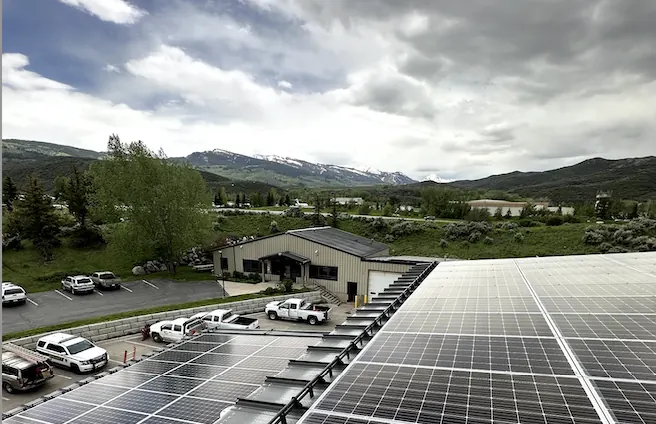
Flat or low-pitch roofs may be suitable for ballast-mounted systems, which use weights to hold the racking in place rather than attaching it through the roof surface. The installer must assess the roof structure, wind exposure, and snow loads to determine whether a ballasted design is appropriate and how it should be installed.
4. Blend Power and Style with Solar Shingles
For homeowners who prefer a lower-profile look, solar shingles integrate into the roof as part of the roofing material. Their suitability depends on the roof design, condition, and project requirements, so compare them with conventional panels during planning.
5. Add Battery Storage for Outages
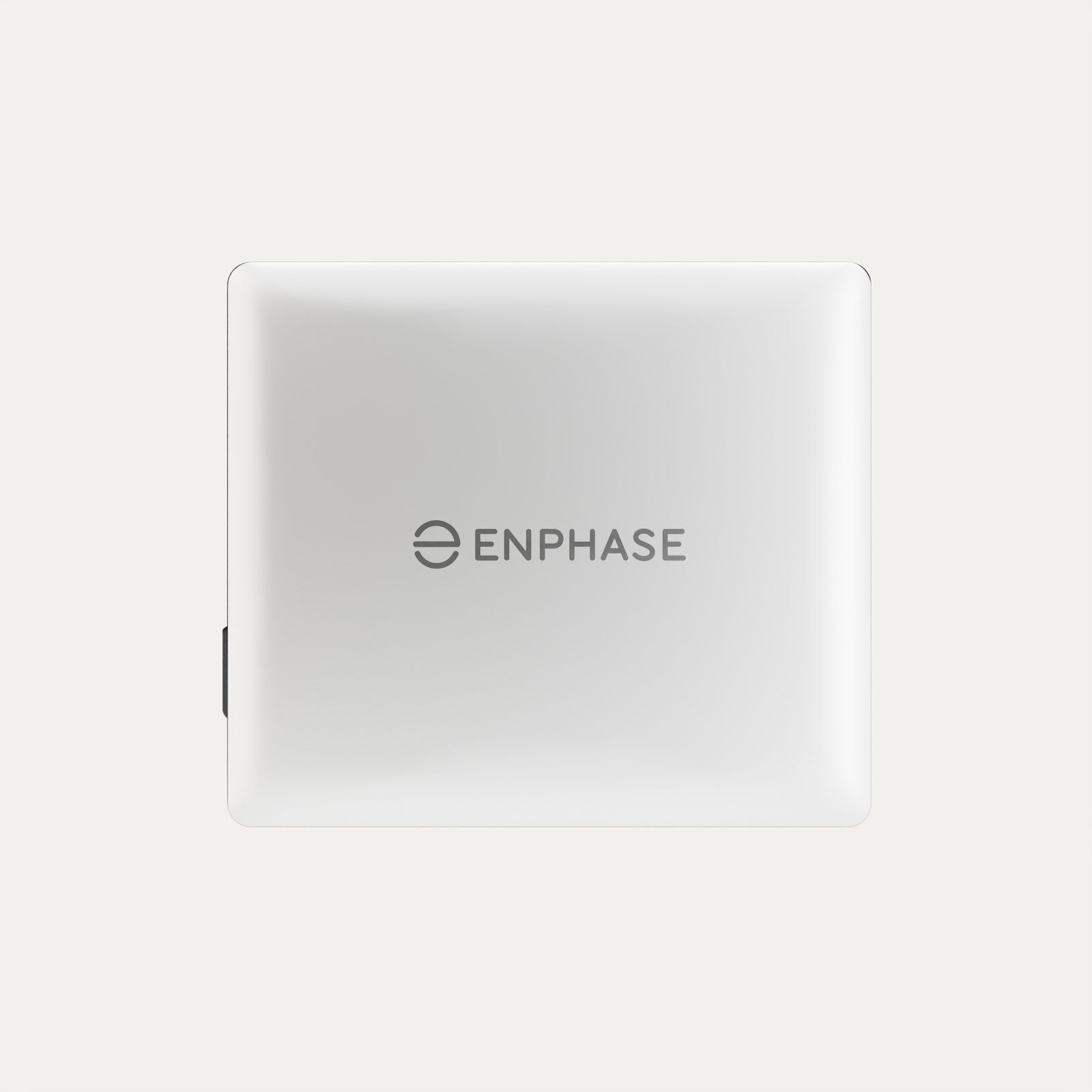
Pairing solar with battery backup can provide stored energy during an outage. The loads a battery can support depend on its capacity and how the system is configured. Discuss essential appliances and heating needs with your installer when choosing a system.
6. Work with Local Experts
Local solar professionals can help assess roof conditions, system placement, and applicable requirements. They can also review current incentives and explain what may apply to your project. Incentives change. We review what applies to your project and show it in your proposal.
Big Benefits for Small Roofs
A small or sloped roof does not automatically rule out solar. Panel efficiency, roof orientation, shading, and system design all affect how much energy a system can produce. Solar may help lower electricity bills, depending on your utility, rates, usage, and system cost. We show the numbers for your address in your proposal.
Solar Energy Without the Stress
SōL Energy works with homeowners across the Roaring Fork Valley to evaluate roof space, panel placement, and battery options. Each project is designed around the home, its energy use, and the applicable utility requirements.
Questions about your roof or your bill? Call us at (970) 963-1060 or request a free quote.
Questions You Might Ask
1. Can I install solar panels on a small or sloped roof in Pitkin?
Possibly. Roof space, orientation, shading, and structural condition all matter. An assessment can help determine whether panels or solar shingles are a good fit.
2. What are the best solar options for sloped roofs?
Conventional panels and solar shingles may both work on sloped roofs. The right option depends on the roof, available space, sun exposure, and project goals.
3. How does battery storage work with residential solar energy in Pitkin?
A battery stores energy for use later. During an outage, it can power selected loads if the system is designed and configured for backup.
4. Do I need a professional installer for residential solar installations across Pitkin?
A qualified installer can assess the roof, plan the system, and confirm applicable local and utility requirements. They can also review current incentives that may apply.
5. Can solar panels handle snow and extreme weather in Pitkin?
Equipment and installation should be selected for local conditions, including snow and wind. Roof structure, panel placement, and system design all matter; ask an installer to assess your roof and project.