Learn how shade planning and regular checks can help commercial solar systems in Colorado maintain energy production.

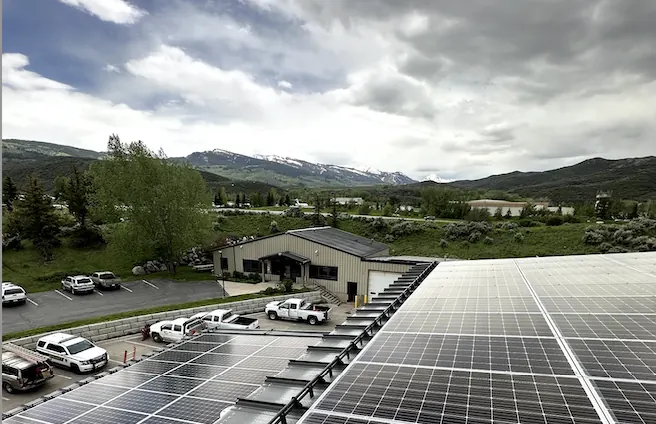
For businesses in the Roaring Fork Valley, shade can affect how much energy a commercial solar system produces. Trees, rooftop equipment, and nearby buildings may cast shadows that shift with the seasons. A site review in Carbondale or a nearby town can help identify these conditions before installation.
Shade management is an important part of every commercial solar panel installation Colorado project. If shading is overlooked, it can reduce system output.
The Hidden Impact of Shade on Solar Performance
Solar panels need sunlight to produce energy. When something blocks that light, the shaded panel produces less. Depending on the system design, shade on one panel can also affect other panels connected in the same group.
Where Does Shade Usually Come From?
Shade can come from many places around a building. Some common sources include:
Shade changes with time, weather, and the surrounding area. Planning is important, and regular checks can help identify new shading issues.
Good Planning Makes All the Difference
Before installing solar panels, a site assessment considers how sunlight moves across the roof during the day and throughout the year. It also looks for objects that may block sunlight.
This step can help avoid shading issues from the start. A well-planned commercial solar project in Garfield County accounts for the site’s conditions before the system is installed.
SōL Energy considers site conditions and panel placement during system design to help reduce shading impacts and support system performance over time.
What Happens When Shade Is Ignored?
If shade is not managed, you may notice:
Your system may still work, but not at its full potential. Reduced output can mean fewer savings over time, and the change may not be obvious right away.
Smart Technology Can Help
Some system components can reduce the effect of shade:
These options may limit the effect of shade on other panels. The right equipment depends on the site and system design.
Maintenance Keeps Shade Under Control
Shade management is not a one-time task. Trees grow, and new structures or rooftop equipment can change how sunlight reaches the panels.
Regular checks can help identify new shading issues. Where appropriate, trimming trees or removing debris may help. Follow the system manufacturer’s guidance for panel care.
Why Shade Management Matters for Long-Term Savings
Solar is an investment, and shade can reduce the energy a system produces. That may affect the savings over time. Payback depends on your utility, rate, usage, and system cost; we show the numbers for your address in your proposal.
With proper shade management, you can:
Careful planning during installation can help your system perform better under the conditions at your site.
Let Your Solar System Perform at Its Best
Shade can change as trees grow and the seasons shift. A site-specific design and regular checks can help keep those changes from going unnoticed.
SōL Energy works with local businesses to assess site conditions and plan solar systems for the Roaring Fork Valley. Questions about your roof or your bill? Call us at (970) 963-1060 or request a free quote.
FAQs
1. Why is shade management important in commercial solar systems?
Partial shading can reduce the output of affected panels and, depending on the system design, may affect other connected panels. Shade management helps maintain energy production and system performance.
2. What are common sources of shade on solar panels?
Trees, nearby buildings, rooftop equipment, and seasonal changes in the sun’s position are common sources of shade.
3. Can shade reduce solar output significantly?
Shade can reduce energy production. The effect depends on the shaded area, the system design, and how the panels are connected.
4. Is maintenance important for managing shade?
Regular checks can identify new shading issues caused by tree growth or changes to the surroundings. They also help spot other conditions that may affect system performance.
5. Can shade problems be addressed after installation?
Some shading issues can be managed through maintenance, system adjustments, or equipment upgrades. The appropriate option depends on the site and system.