Learn the best roof types for solar panels, including metal, shingle, and flat roofs for better efficiency and long-term savings.

Solar panels are powerful, but they need the right base to perform attheir best. That base is your roof. If the roof is not suitable, even the best solar system will not deliver strong results.
That is why choosing the right roofing option is an important step before installation. Many homeowners and businesses often focus only on panels and ignore the roof. But the roof decides long-term efficiency, safety, and performance of the entire solar setup in a very real way.
So, let’s break it down in a simple way and understand which roofing options work best for solar panels.
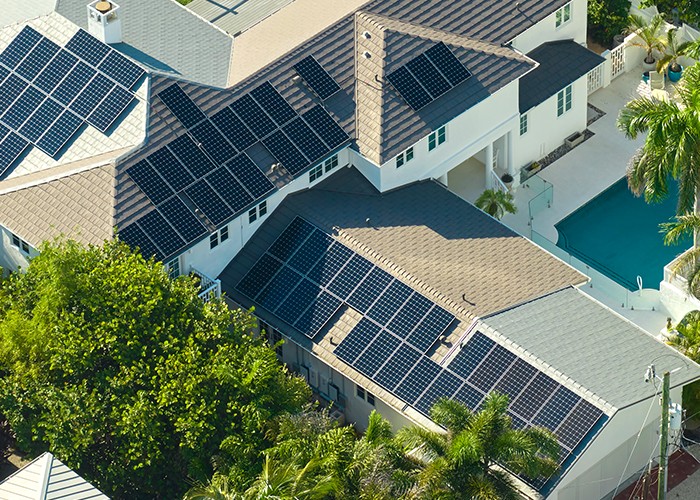
1. Asphalt Shingles: The Most Common Choice
Asphalt shingles are one of the most popular roofing materials in the US. The good news is that they work very well with solar panels.
Why are they preferred:
● Easy to drill and mount panels
● Affordable and widely available
● Strong enough for long-term support
Most solar installers find this roof type simple and quick to work with. If your home has asphalt shingles, you are already in a good position for solar installation.
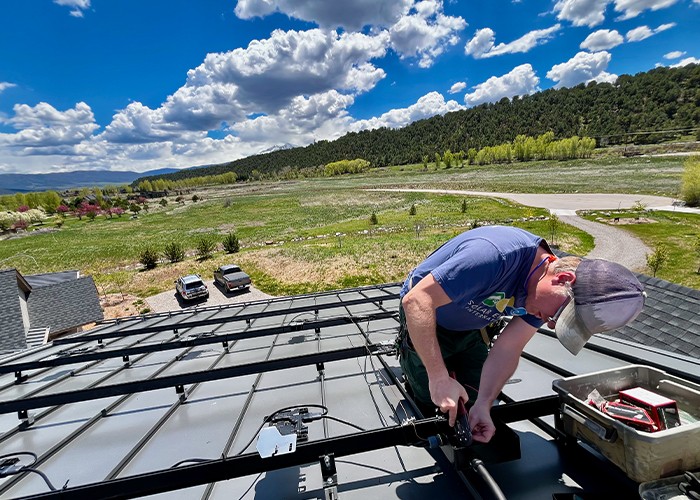
2. Metal Roofs: Highly Durable and Efficient
Metal roofs are another excellent option. In fact, they are often considered one of the best choices for solar systems.
Here’s why:
● Long lifespan (can last decades)
● Strong surface for mounting panels
● Reflects heat, improving energy efficiency
Solar panels can be directly attached using special clamps, which reduces roof damage and improves installation speed. Many commercial buildings prefer this option for long-term value.
3. Tile Roofs: Beautiful but Need Care
Tile roofs look great, but they need careful handling during installation.
Important points:
● Fragile compared to other materials
● Requires extra mounting care
● Slightly higher installation effort
Solar is still possible on tile roofs, but installers must be more careful. With the right setup, it can still deliver strong performance.
4. Flat Roofs: Common in Commercial Buildings
Flat roofs are very common in commercial spaces and large buildings. They offer flexibility in panel placement.
Benefits include:
● Easy to position panels for best sunlight
● Flexible layout design
● Good for large-scale installations
This is why many companies investing in commercial solar installation Garfield prefer flat roofing systems for better control over panel direction and output.
Roof Condition Matters More Than Material
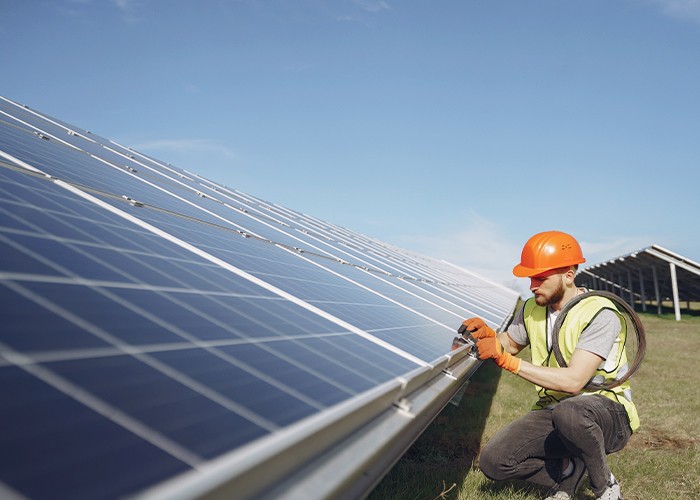
No matter what roof type you have, condition is more important than material. Before installation, experts check:
● Roof age
● Structural strength
● Any leaks or damage
Even the best roof type will not work well if it is weak or old. Sometimes, small repairs are needed before installing solar panels.
Why Proper Planning Makes a Big Difference
Choosing the right roof is not just about installation. It also affects long-term performance. A well-planned system helps:
● Improve energy output
● Reduce maintenance issues
● Increase system lifespan
This is why proper inspection is always the first step before anysolar project begins.
Companies working on commercial solar installation Pitkin oftenfocus heavily on roof evaluation to ensure long-term success and stable energy production.
Expert Help Makes It Easier
Roof selection and solar design can feel confusing, but you do not have to figure it out alone. Choosing the right roof and system needs proper planning and expert guidance to get the best results.
Experts like SoL Energy help homeowners and businesses understand which roof works best for their solar goals. From inspection to installation, everything is handled in a simple and clear way. The focus is always on efficiency, safety, and long-term performance, so you get a smooth solar experience without stress or confusion.
Making the Right Solar Roofing Decision
So, which roofing option is best for solar panels? The answer is not the same for everyone. It depends on your roof type, structure, and long-term energy goals. Metal, asphalt shingle, and flat roofs usually perform best, but success is not only about material. It is about proper planning and expert installation.
That is where SoL Energy comes in. The team provides simple, customized solar planning based on your roof and energy needs. From inspection to installation, everything is handled with care.
Talk to SoL Energy today and find the right solar solution for your roof.
FAQs
1. Which roofing material is best for solar panels?
Metal and asphalt shingle roofs are usually the best because they are strong, durable, and easy to install solar panels on.
2. Can solar panels be installed on any roof type?
Yes, most roof types can support solar panels, but the condition, strength, and structure of the roof matter more than the material itself.
3. Why is roof condition important for solar installation?
A strong, stable, and damage-free roof is essential for safe installation, better solar performance, and long-term durability of the entire solar energy system.
4. Do flat roofs work for solar panels?
Yes, flat roofs are excellent for solar, especially in commercial buildings, because panels can be positioned for maximum sunlight exposure.
5. What should businesses consider before commercial solar installation?
Businesses should check roof strength, sunlight access, and layout before commercial solar installation Garfield and Pitkin to ensure maximum efficiency and savings.