Learn what businesses in Garfield and Pitkin counties should consider before installing commercial solar, from costs and roof readiness to outages.

For businesses in Glenwood Springs and Carbondale, rising electric bills and winter outages can prompt questions about solar. A good first step is understanding how a system would fit your building, energy use, and plans.
If you’re considering commercial solar power installation in Garfield County or Pitkin County, you’re probably weighing the pros and cons. Here are some common concerns to discuss before making a decision.
No. 1 - Will Solar Actually Save My Business Money?
For most businesses, this is the first question.
You want real numbers and a clear picture of whether the savings will add up over time. Solar can reduce energy costs, but the results depend on your utility, rates, usage, and system cost. Your proposal should show the numbers for your address.
Think of it as locking in part of your energy costs instead of being surprised by higher bills each year. When a system is designed around how your building uses power, its expected performance and costs are easier to understand.
No. 2 - Is My Roof Even Good Enough for Solar?
This concern comes up often.
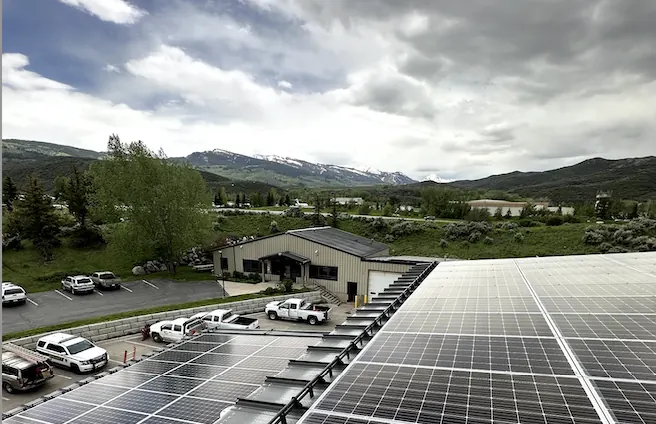
Maybe your roof isn’t brand new. Maybe it’s flat, or snow sits on it for weeks in winter. That doesn’t automatically mean solar won’t work. What matters is the roof’s structure, condition, and layout.
For businesses looking into commercial solar power installation in Pitkin County, weather and elevation are common considerations. Snow load, wind, and seasonal changes should all be factored into proper planning.
Once you understand what your building can handle, this concern usually becomes easier to assess. A site review can help clarify the options.
No. 3 - Will Installation Disrupt My Daily Operations?
No one wants chaos during business hours.
You might be picturing blocked entrances or constant noise. Commercial installations can be planned in phases, with the schedule coordinated around your business hours where possible.
The key is knowing what to expect ahead of time. When timelines are clear, stress stays low. Planning can help keep disruption to a minimum.
No. 4 - What About Maintenance? Will This Be One More Thing to Manage?
This is a fair concern.
Solar systems don’t need daily attention. They have no moving parts, and maintenance is usually light and scheduled. Monitoring tools can help spot issues early, sometimes before you notice a problem.
For business owners already juggling a dozen responsibilities, knowing what maintenance to expect can bring peace of mind.
No. 5 - Will Solar Help During Power Outages?
This question often comes after the lights go out one too many times.
A standard grid-connected solar system generally shuts down during a grid outage for safety. Solar panels alone may not keep your building powered. A system designed with battery backup can provide power to selected loads, depending on the system design and battery capacity. Ask how your setup would operate during an outage so expectations are clear.
No. 6 - Does Solar Really Work Well in My Area?
Location matters. You’re right to think about it.
Sun exposure, seasonal daylight, and climate all affect performance. Systems designed with local conditions in mind can account for mountain weather and shorter winter days.
That’s why businesses researching commercial solar power installation in Garfield County often want answers based on local conditions. When designs reflect site-specific information, the estimates are more useful than general assumptions.
So, Is Solar Worth It for Your Business?
If these questions sound familiar, you’re thinking like a smart business owner. Solar isn’t about rushing in. It’s about having the right conversations first. SōL Energy takes a practical, people-first approach, walking you through the details without pressure or confusion. The team listens, explains, and designs systems around how your business uses energy.
Questions about your roof or your bill? Call SōL Energy at (970) 963-1060 or request a free quote.
Got Questions? Let’s Talk
Q: Is commercial solar a good option for most businesses?
A: Many businesses may benefit from solar when their energy use, roof space, and long-term plans align. A site review can help determine whether it’s a good fit.
Q: Does solar work well in mountain and high-elevation areas?
A: Solar systems can be designed for varied climates, including areas with snow and seasonal weather changes. Site conditions and system design matter.
Q: What factors affect commercial solar power installation in Pitkin County?
A: Elevation, snow load, sun exposure, and building layout all play a role. Local conditions should be considered during planning.
Q: Will solar installation interrupt normal business hours?
A: Schedules can be planned in phases and coordinated around business operations where possible. Ask your installer what to expect at your site.
Q: How much maintenance does a commercial solar system require?
A: Solar systems generally require limited maintenance. Periodic inspections and monitoring can help track performance.