Compare microinverters vs string inverters for home solar. Learn which works best for efficiency, savings, and solar battery performance.
Quick Overview: This blog explains the difference between microinverters and string inverters in a simple way. It shows how each system works, their pros and cons, and real-life performance impact. You’ll also learn how inverter choice affects solar battery efficiency and long-term savings. The guide helps homeowners choose the right setup based on roof type, budget, and energy goals.
Most homeowners get excited about solar panels… until they reach the part no one really talks about: inverters. That’s usually where things start feeling confusing. Microinverters or string inverters—which one actually makes sense for your home?
But here’s something many people miss. This decision doesn’t just affect how your solar panels work. It also plays a big role in how well your system connects with solar batteries Garfield, Pitkin or beyond, especially if you’re thinking about backup power or energy independence in the future.
So this isn’t just a technical choice anymore. It directly affects your savings, your energy control, and how smoothly your home can run during power cuts or peak usage hours.
First, What Are We Even Talking About?
Your solar panels collect sunlight, but that energy can’t be used inyour home directly. An inverter changes it into usable electricity.
There are two main types of inverters. A string inverter connects all the panels together in one system, while a microinverter is placed on each panel individually. Both do the same job, but in different ways.
When you add solar batteries to the system, this difference matters even more because batteries work best when the energy flow is steady and consistent. Simply put, one system works as a group, while the other lets each panel work on its own.
String Inverters: Simple, Affordable, andReliable
String inverters have been used for years. In this setup, all solar panels are connected in a single line and send power to one central inverter.
Why people like them:
● Lower upfront cost
● Simple installation
● Fewer components
● Works well on open rooftops
If your roof gets full sunlight all day, this setup can work really well.
But here’s the limitation. If even one panel is shaded or under performing, the output of the entire system can drop. And when you start thinking about solar batteries Pitkin or similar, that inconsistency can affect how efficiently your battery charges during the day.
So while string inverters are budget-friendly, they work best in very stable sunlight conditions.
Microinverters: More Control, Better Real-World Performance
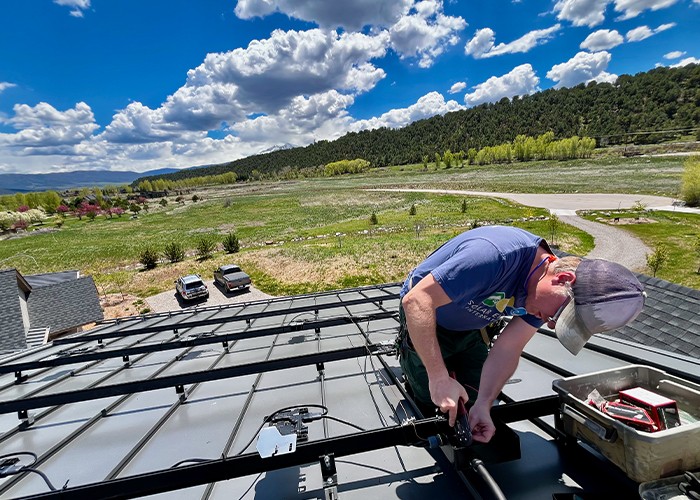
Microinverters are installed on each solar panel. That means every panel works independently. If one panel is shaded, dirty, or under performing,the rest keep working at full capacity.
Why homeowners prefer them:
● Better performance in partial shade
● Each panel works independently
● Easy system monitoring
● Flexible expansion in the future
This becomes especially useful when you’re planning to add solar batteries later, because steady and optimized energy production helps improve charging consistency. That’s why modern solar setups often lean toward microinverters for residential homes with complex roofs.
The Real-Life Difference You’ll Actually Notice
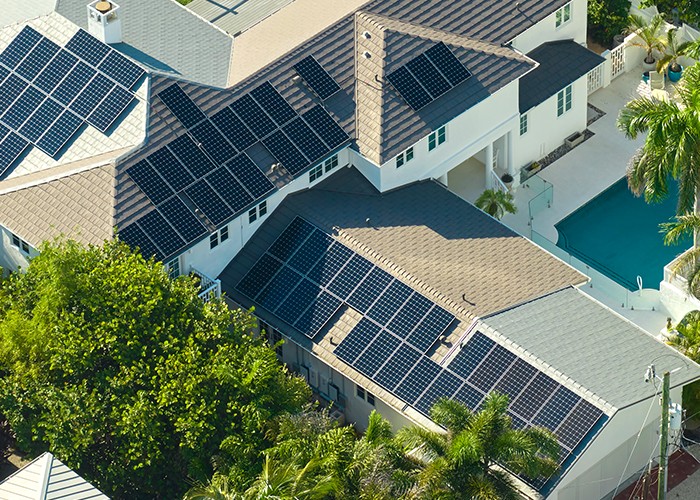
Think of two homes. Home A has a clear, open roof with full sunlight all day. Home B has trees nearby, so some parts of the roof get shaded at different times.
With string inverters, Home A works fine, but Home B loses efficiency because even one shaded panel can bring down the overall output.
With micro inverters, both homes perform more steadily because each panel works on its own. Only the shaded panel is affected, while the rest keep producing energy normally.
This also connects to solar batteries. In Home B, micro inverters help keep energy production more stable throughout the day, so the battery can charge more evenly instead of reacting to ups and downs in power generation.
How Solar Batteries Fit Into This Decision
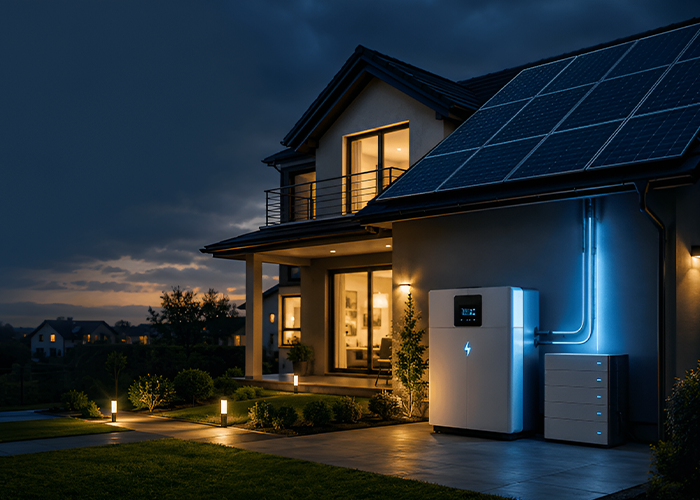
This is where the system becomes more complete. Today, most homeowners don’t install solar just for day time use. They also want backup during powercuts, lower electricity bills, and better control over energy at night. That’s where solar batteries Garfield come in.
But batteries don’t just store energy — they rely on how steadily your solar system produces it during the day. With micro inverters, energy flow stays more stable and consistent. With string inverters, output can change more depending on shading or panel performance.
Both systems can work with batteries, but micro inverters usually give a more steady charging experience in real conditions. So if you’re planning battery storage in the future, it’s smart to think about it from the start.
Which One Should You Choose?
There’s no universal “best” option. It depends on your home setup and future plans.
Choose string inverters if:
● Your roof is simple and fully sun-exposed
● You want a lower up front investment
● You are not planning complex expansions or heavy battery usage
Choose micro inverters if:
● Your roof has shade or multiple angles
● You want better long-term performance
● You plan to integrate solar batteries for backup or energy independence
● You prefer detailed monitoring of your system
How SoL Energy Helps You Decide
This is where expert design actually matters. Instead of guessing, SoL Energy looks at your roof, sunlight exposure, energy usage, and future plans before suggesting anything. Because the goal is not just installing solar panels. It’s making sure your system actually performs well for 20+ years.
And whether you’re planning basic solar or integrating storage like solar batteries Pitkin, Garfield or beyond, the design stage makes a huge difference.
FAQs
1. What is the main difference between microinverters and string inverters?
Micro inverters work on each panel individually, while string inverters connect all panels together. This affects performance, especially in shading or complex roof conditions.
2. Which inverter is better for home solar systems?
It depends on your roof. Micro inverters are better for shaded or complex roofs, while string inverters work well for simple, open, and uniform rooftops.
3. Do micro inverters improve solar panel efficiency?
Yes, micro inverters often improve real-world efficiency because each panel operates independently, reducing power loss caused by shading, dirt, or mismatch between panels.
4. Are solar batteries worth adding to a home solar system?
Yes, solar batteries store extra energy for night time or outages, improving energy independence and making solar systems more useful throughout the day.
5. How do solar batteries connect with inverter choice?
With systems like solar batteries Garfield, micro inverters help maintain steady energy flow, which supports more stable and efficient battery charging over time.