Learn if your home is right for solar panels and how solar power performs during power outages. Get practical insights to plan your solar setup.
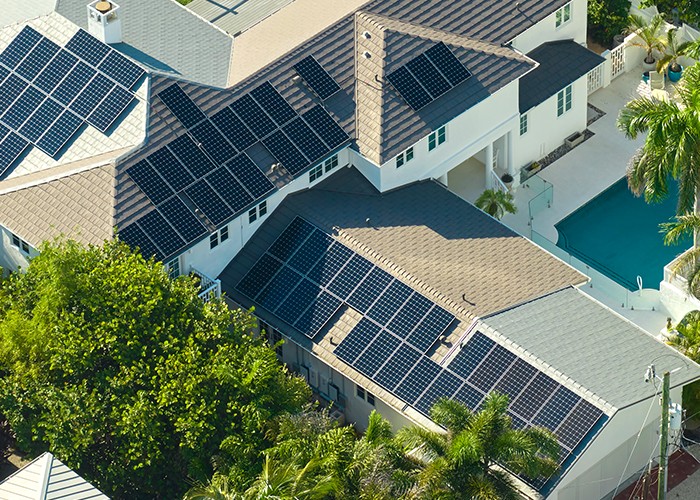
Thinking about solar, but not sure if your home is actually suitable? You are not alone. This is one of the most common questions homeowners ask before making the switch, and it makes sense because you want to feel confident before investing your money. Many people also wonder about solar power and power outages, and how reliable solar really is during grid failures.
The good news is that most homes can support solar panels with the right setup. You just need to check a few simple factors first, like roof condition, sunlight exposure, and energy use. Let’s go through them in a clear and easy way.
Start with Your Roof First
First things first—look at your roof. This is where everything begins.
Ask yourself:
● Is my roof strong and in good condition?
● Is it too old or already damaged?
● Do I have enough flat or open space?
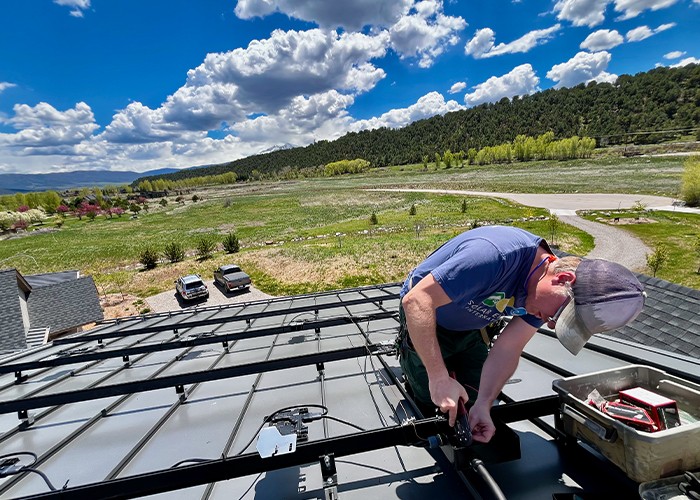
If your roof is solid and has at least 10–15 good years left, you are already in a strong position. If not, a small repair or upgrade might be needed before installing panels.
Do You Get Enough Sunlight?
Now, think about sunlight. This matters more than most people realize.
Your home is a good fit if:
● Your roof gets direct sunlight most of the day
● There are not too many tall trees blocking light
● Nearby buildings are not creating heavy shade
Even if your roof is not perfect, don’t worry. Smart system design can still make solar work in many shaded or partly shaded homes.
How Much Electricity Do You Use?
Let’s be real—your energy usage matters a lot.
Ask yourself:
● Do I use more power during the day or night?
● Is my electricity bill usually high?
If you use more power during daylight hours, solar works even better for you. If your usage is high overall, solar can still help reduce your bill, but the system size needs to match your needs.
Roof Space Also Plays a Role
Roof space also plays an important role in deciding if solar is right for your home. You don’t need a very large roof, but you do need enough clear and usable space for the panels. A simple roof with fewer obstacles, like vents, chimneys, or skylights makes installation much easier and more efficient.
Even if your roof is more complex, solar can still work well. It justrequires better planning and a smart layout to make the most of the availablespace.
What About Weather and Location?
You might be wondering if cloudy days make solar useless. The answer is no. Even on cloudy days, solar panels still produce energy. Of course, sunny days give better output, but systems are designed for all seasons.
In places like Colorado, solar performs well because of strong yearly sunlight, even with seasonal changes.
What Happens During Power Outages?
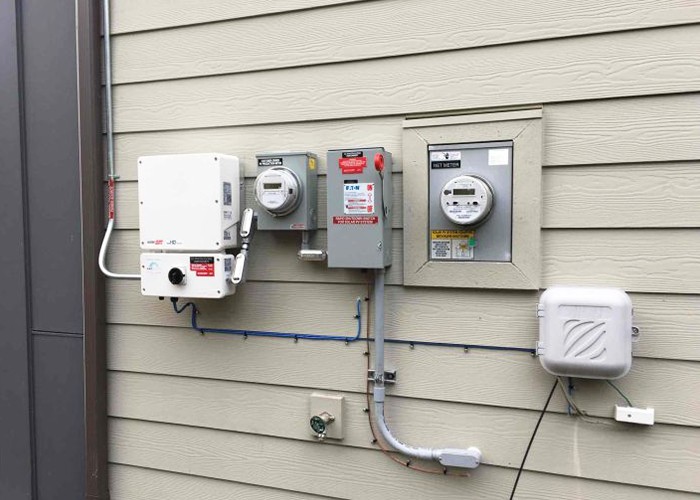
This is where many homeowners get curious. Modern systems can be designed to handle backup power. So instead of going completely dark, you can still run essential appliances if your system includes storage.
This is especially helpful during power outage situations when the grid is down. With the right solar power power outage doesn’t have to disrupt your entire home.
Don’t Guess—Get It Checked
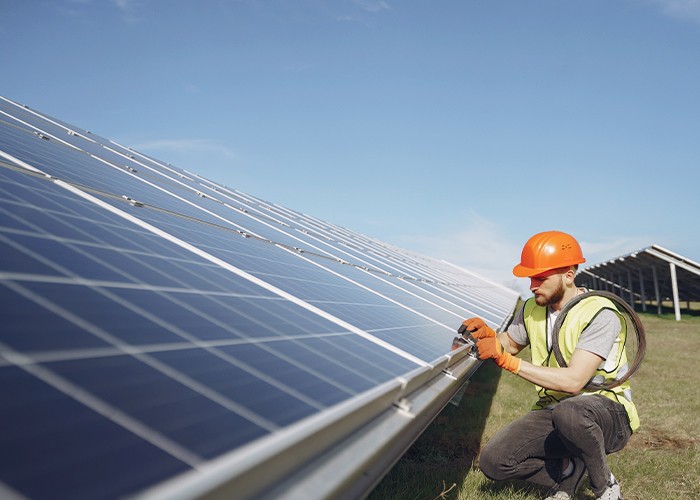
Here’s the truth. You don’t have to figure this out alone. A quick inspection from professionals can tell you everything:
● If your roof is ready
● How much energy can you produce
● What system size you need
Experts from SoL Energy help homeowners understand all of this in a simple way, so you don’t have to guess or worry about making the wrong choice.
Wrapping Up Your Solar Decision
So, is your home suitable for solar panels? In most cases, yes—but itreally comes down to a few simple things like roof strength, sunlight exposure,and how much energy your home uses every day.
Even if your home is not “perfect” right now, that does not mean solaris off the table. Most issues can be fixed with small adjustments or better system planning.
If you are still unsure, SoL Energy can help you check your home’s solar potential and design a system that actually works for your real energy needs.
FAQs
1. How do I know if my home issuitable for solar panels?
You can check roof condition, sunlight exposure, and energy usage. Most homes are suitable with proper planning, inspection, and right system design support.
2. Can old homes support solar installation?
Yes, older homes can support solar panels if the roof is strong enough or repaired properly before installation to ensure safe and long-term performance.
3. How does roof condition affect solar panel installation?
A strong, stable, and damage-free roof is essential for solar panels. Weak or old roofs may need repair or reinforcement before installation begins.
4. Do solar panels work during cloudy weather?
Yes, solar panels still generate electricity on cloudy days, but the energy output is lower compared to bright, sunny weather conditions.
5. How does solar power in power outages work?
Modern solar systems with battery storage can provide backup power during grid outages, helping you run essential appliances when electricity goes down.