Learn how hotels in the Roaring Fork Valley can use solar and battery storage to manage energy costs and support reliable operations.

Hotels in Aspen, Snowmass, and across the Roaring Fork Valley use energy around the clock for guest rooms, kitchens, pools, laundry, and common areas. Solar can help hospitality businesses manage electricity costs while supporting their sustainability goals.
Every property has different energy use, roof conditions, and utility rules. Here are some ways solar may fit a hotel or resort, and what to consider before planning a system.
Lights, heating and cooling, kitchens, laundry machines, and other facilities add to a hotel's electricity use throughout the day and night. Generating some electricity on-site can reduce how much power a property needs to buy from the utility.
For hotels in Pitkin County, system design should account for the property's actual energy use and utility requirements. Each utility sets its own sizing and interconnection rules, which should be confirmed before design.
Once installed, solar panels generate electricity when the sun is available. The amount of a hotel's bill that solar can offset depends on the system, the property's energy use, utility rates, and how electricity is credited by the utility.
Payback depends on your utility, rate, usage, and system cost. We show the numbers for your address in the proposal, so you can consider the project using your property's own information.
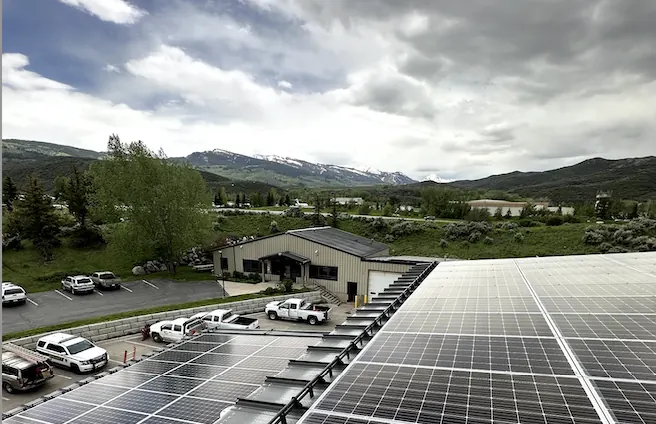
Some hotels have wide, flat or low-slope roofs that may provide room for panels. A site review can help determine whether the roof's condition, structure, orientation, and available area are suitable. Solar carports may also be an option for some parking lots, providing covered parking along with space for panels.
Both rooftop and carport systems need to be evaluated for the specific property. The right layout depends on site conditions and the hotel's priorities.
Travelers may value a hotel's efforts to reduce its environmental impact. Solar gives a business a concrete way to generate some of its electricity on-site and communicate its sustainability work to guests.
Energy improvements can also be part of broader plans to manage operating costs and invest in the property over time. The system should be designed around the hotel's needs, without compromising guest comfort or daily operations.
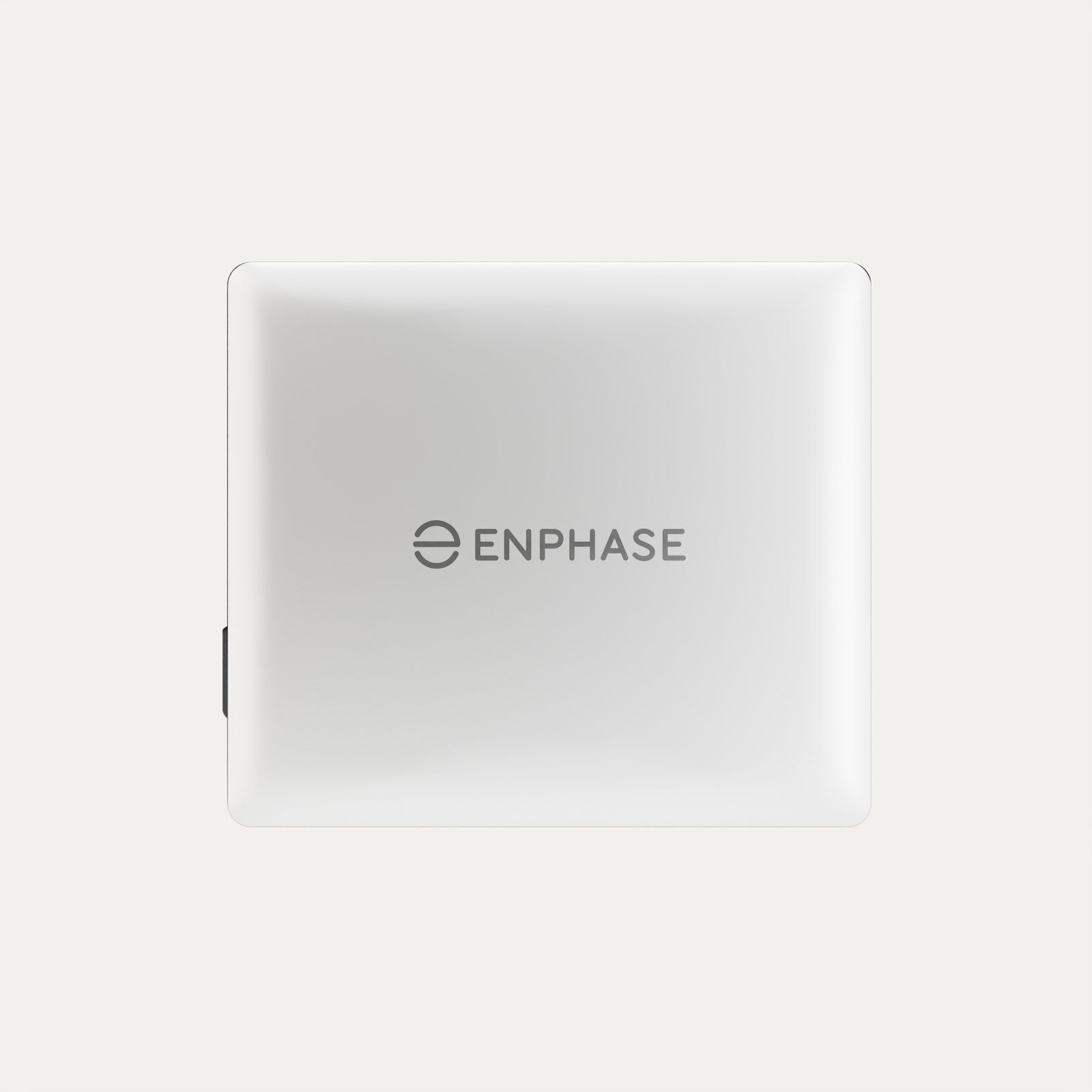
Solar panels alone generally do not keep a building powered during a grid outage. A battery system configured for backup can store energy and supply selected loads when the grid is down. The equipment and system design determine what can stay on and for how long.
Hotels considering battery backup should identify which systems are most important to keep running, such as security, lighting, or certain heating equipment. In mountain areas, weather and seasonal daylight are also useful factors to include in planning.
Hotel occupancy and energy use can change with the seasons. Reviewing utility bills and interval usage, when available, helps show when the property uses electricity and how a solar system might fit. Batteries may provide additional flexibility, depending on the property's goals and utility rate.
Solar and storage do not automatically cover all of a hotel's energy needs. A project review should account for the building's load, utility rules, and the operating needs of guest rooms and amenities.
Commercial incentive programs may be available, but eligibility and terms can change. Incentives change. We review what applies to your project and show it in your proposal.
Before moving ahead, hotels should consider roof condition, electrical capacity, utility interconnection requirements, and how installation will be coordinated with normal operations.
Whether you operate a lodge in Aspen or another hospitality business in the valley, a useful first step is to review your energy use, site, and goals. SōL Energy works with Colorado businesses on solar planning and installation, with project recommendations based on the property.
Questions about your roof or your bill? Call us at (970) 963-1060 or request a free quote.
Savings vary based on the system size, energy use, utility rates, and utility rules. We show project-specific estimates for your address in the proposal.
Payback depends on your utility, rate, usage, and system cost. Your proposal can show the estimates and assumptions for your property.
A site assessment can check roof condition, structure, orientation, and available space. Some properties may also be able to consider solar carports.
Panel visibility depends on the building and system layout. A design review can help assess how rooftop panels or a carport would fit the property.
Maintenance needs vary with the system and site conditions. Follow the system manufacturer's guidance and arrange inspections when recommended.
A battery configured for backup can supply selected loads, but it may not power the entire hotel. The system design determines which equipment can run during an outage and for how long.