Can hail damage solar panels? Discover what really happens during storms and how durable solar systems are designed for harsh weather.

Quick Overview: Hailstorms can leave homeowners wondering whether their solar panels are at risk. The good news is that modern solar panels are built to withstand tough weather conditions, including most hail events. This blog explains how hail affects solar systems, what types of damage can occur, and why proper installation and system design play a major role in long-term performance and reliability.
Hailstorms can move fast and hit harder than expected. In some regions, hailstones can reach speeds of over 100 km/h during storms. That often leads homeowners to ask a simple question—can solar panels actually survive this kind of impact?
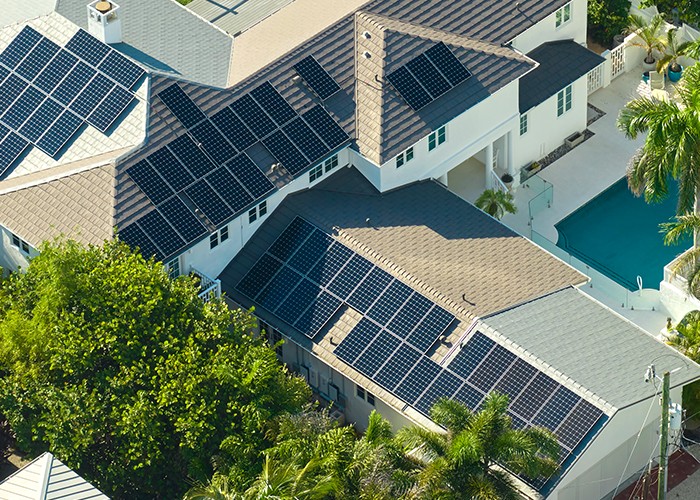
This concern is becoming more common as more homes adopt solar. Whether it is residential solar installations Pitkin, Garfield or elsewhere in Colorado, people want to know if their investment is truly safe when the weather turns rough.
The short answer is yes, solar panels are built to handle hail. But the real story is more interesting, and understanding it helps homeowners feel more confident about their system.
What Really Happens When Hail Hits Solar Panels?
Modern solar panels are designed with strong protective glass on the surface. This glass is not ordinary. It is tempered and tested to withstand impact from small to medium-sized hailstones.
When hail hits a panel, three things can happen:
● Small hail usually bounces off without leaving damage
● Medium hail may cause minor surface marks but no performance loss
● Large hail can sometimes cause cracks or rare internal damage
Most of the time, panels continue working even after a storm. They do not instantly fail unless the impact is extremely severe or repeated in the same area.
This is why proper system design matters. Companies like SoL Energy focus on selecting durable equipment that matches real weather conditions in different regions.
Why Solar Panels Are Stronger Than They Look
At first glance, solar panels may look fragile because they sitexposed on rooftops. But inside, they are built like layered protection systems.
A typical panel includes:
● Tempered glass on top
● Protective polymer layers
● Silicon cells in the middle
● A strong aluminum frame
This layered design helps absorb impact and spread force across the surface. So instead of breaking easily, panels are engineered to resist cracking under pressure.
Even during hailstorms, most damage—if it happens—is often cosmetic rather than functional. That means the panel may still produce power normally.
How Weather Really Affects Solar Performance
It is not just hail that matters. Weather conditions like heavy rain,dust, and sudden temperature changes can also affect solar output temporarily. However, solar systems are designed to recover quickly. Once the sky clears, production usually returns to normal levels.
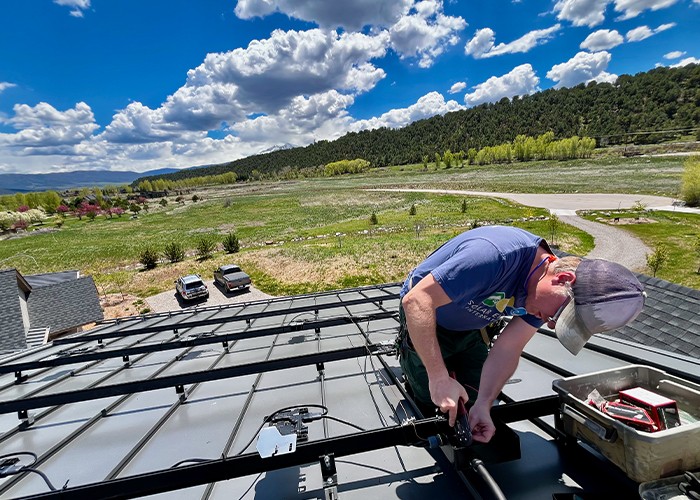
What is important is not just the panel strength, but also how the system is installed. Tilt angle, roof structure, and mounting quality all influence how well panels handle extreme weather.
This is why professional planning becomes important even before installation begins. In regions with variable weather, systems like residential solar installations Pitkin often require careful placement to reduce direct impact risks.
What About Damage Risk in Real Homes?
In most residential cases, hail damage is rare. Studies from long-term solar performance data show that panel failure due to hail is a small percentage compared to other issues like wiring faults or installation errors.
Still, risk depends on location and storm severity. For example, homes using a residential solar panel Garfield setup may experience different weather patterns compared to other regions, which can influence design choices like panel angle and protective spacing.
That is why a one-size-fits-all solar design does not work well in real life.
Can You Protect Solar Panels from Hail?
Yes, but not in complicated ways. Most protection comes from smart system design rather than extra equipment.
Here are simple ways systems are protected:
● Strong tempered glass construction
● Proper mounting height and tilt
● Weather-resistant racking systems
● Strategic roof placement to reduce direct impact zones
Some homeowners also consider routine inspections after major storms, just to ensure everything is working properly. Experts from SoL Energy often recommend post-storm checks as part of long-term system care, especially in regions with seasonal hail activity.
What Should Homeowners Actually Worry About?
Instead of focusing only on hail, it is better to think about overall system health.
The real factors that matter more include:
● Installation quality
● Panel certification and build quality
● Roof condition before installation
● Regular maintenance checks
When these are handled well, hail becomes a manageable risk rather than a major concern.
The Bottom Line
Solar panels are built to handle tough weather, including hail, so most homeowners don’t need to worry when storms hit. They are designed for long-term durability through sun, wind, rain, and impact.
The real difference comes from how your system is designed and installed. SoL Energy creates solar setups that are built for real conditions, not just theory. With smart planning, quality equipment, and future-ready designs, they ensure strong performance and reliability in every season, including residential solar solutions and battery-ready systems.
Want a solar system that performs in all weather? Reach out to SoL Energy today and let experts design a system that truly works for your home.
FAQs
1. Are solar panels safe in storms?
Yes, solar panels are tested for harsh weather including hail, wind,and rain, making them reliable for long-term outdoor use on most rooftops.
2. What happens if a solar panel gets hit by hail?
Light hail usually causes no damage. Severe hail may create cracks, but panels often continue working unless the impact is extremely strong.
3. How does SoL Energy help with weather protection?
SoL Energy designs systems with durable equipment and proper installation planning, ensuring better protection and performance in real-world weather conditions.
4. Are residential solar systems in Pitkin affected by hail?
Most residential solar installations Pitkin are designed for local weather, using strong materials that reduce hail impact risks and maintain steady performance.
5. Should I worry about hail if I install solar?
Not usually. Solar panels are engineered for tough outdoor conditions, so hail is rarely a major concern for properly installed systems.